In the dynamic landscape of casino operations, managing disruptive patrons is a critical aspect of Casino Security Explained. The behavior of intoxicated individuals or those causing disturbances can pose significant challenges to staff safety and the overall gaming environment. This comprehensive guide delves into strategies to handle these scenarios effectively, ensuring both guest satisfaction and security. By exploring proven techniques, this article offers valuable insights for casino professionals, equipping them with the knowledge to navigate turbulent situations with professionalism and efficiency.
- Identifying Drunk or Disruptive Behavior: Casino Security Explained
- Dealing with Disruptive Patrons: Strategies for Casino Staff
- Prevention and Posture: Safeguarding Casinos from Drunken Incidents
Identifying Drunk or Disruptive Behavior: Casino Security Explained
Identifying drunk or disruptive behavior is a crucial aspect of casino security explained. Casino security professionals are trained to recognize subtle cues that can signal trouble, such as excessive eye contact, rapid speech, or unsteady gait—signs often associated with intoxication. Moreover, they learn to discern between regular patrons and potential troublemakers by observing body language, patterns of movement, and interactions with others. For instance, a player who suddenly becomes isolative or exhibits erratic behavior might be indicative of a problem that requires immediate attention.
Casino security training programs emphasize the importance of situational awareness, equipping guards with the skills to spot suspicious activity in casinos. This includes recognizing unusual gambling patterns, large cash transactions, or individuals loitering in restricted areas. For example, a player consistently placing small bets but frequently requesting large amounts of cash could be a red flag. Casino security explained also involves understanding when to intervene, such as when a patron becomes aggressive or attempts to cheat. By proactively monitoring these behaviors, casino security can deter potential incidents and ensure a safe environment for all visitors.
In terms of when do you need casino security, it’s essential to have a robust presence during peak hours, special events, and holidays when crowds are dense. These periods present higher risks of disruption or even criminal activity. Regular assessments and updates to security protocols are vital, as trends in disruptive behavior can evolve over time. For instance, the rise of mobile gambling has introduced new challenges, requiring casino security to adapt their strategies accordingly. Additionally, casino security training programs should incorporate role-playing scenarios to prepare staff for handling diverse situations effectively.
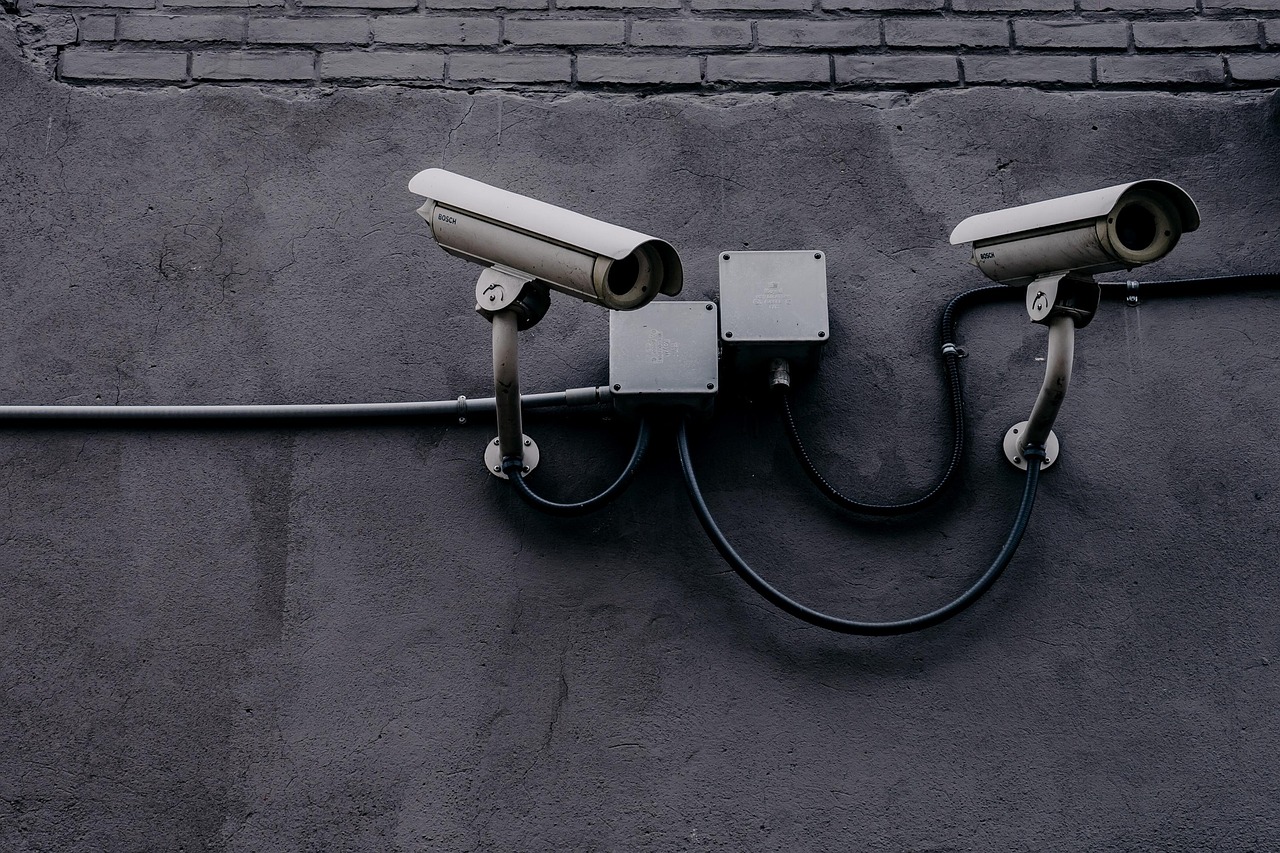
To enhance casino security, it’s worth considering advanced technologies like CCTV surveillance systems with facial recognition capabilities and automated transaction monitoring software. These tools can aid in identifying suspicious patterns and alerting guards promptly. Furthermore, fostering an open dialogue between staff and patrons about responsible gaming can deter potential issues before they escalate. Remember that a well-trained and vigilant casino security force is the cornerstone of a safe and enjoyable gambling environment. Visit us at fix slot machine tampering for more insights into ensuring fairness and integrity in casinos.
Dealing with Disruptive Patrons: Strategies for Casino Staff
Dealing with disruptive patrons is a critical component of casino security explained, requiring staff to maintain a safe and enjoyable environment for all visitors. Disruptive behavior can range from loud or aggressive language to physical altercations or attempts to cheat at games. To effectively manage these situations, casino staff must be well-trained in de-escalation techniques, crowd control, and crisis management. The importance of access control in casinos cannot be overstated; implementing robust entry procedures helps prevent unauthorized individuals from causing disturbances. For instance, using secure ID badges or biometric scanning can deter problem gamblers or those with a history of violent behavior from gaining access to the gaming floor.
Casino security explained involves more than just physical presence; it encompasses strategic placement of staff and surveillance equipment. By following best practices for casino floor safety, such as regular rounds by trained security personnel, casinos can proactively identify and diffuse potential conflicts before they escalate. Implementing emergency response plans is also crucial; these should detail steps for handling incidents, including evacuation procedures, first aid, and communication protocols with local law enforcement. For example, a well-rehearsed plan for managing mass casualties or sudden violence can significantly mitigate chaos and ensure swift, effective responses.
In addressing disruptive patrons, casino staff must prioritize de-escalation over confrontation. This involves keeping calm, using non-judgmental language, and offering reasonable alternatives to resolve the situation peacefully. For instance, if a player becomes agitated due to a bad streak at the tables, a trained dealer might suggest taking a break or redirecting them to another activity within the casino. Additionally, casinos should consider providing dedicated support services for problem gamblers, such as counseling or self-exclusion programs, which can be effectively promoted through visible signage and staff training. By adopting these strategies and staying vigilant, casino operators can ensure that their facilities remain welcoming and safe spaces for all visitors, while also fostering a positive image in the industry through responsible gaming practices, including find us at resolve credit card theft in casinos.
Prevention and Posture: Safeguarding Casinos from Drunken Incidents
Drunk patrons and disruptive behavior pose significant challenges for casino security, potentially leading to safety hazards, legal issues, and financial losses. A comprehensive approach to prevention and posture is essential for casinos seeking to mitigate these risks. This involves a multi-layered strategy that combines staff training, robust surveillance systems, and proactive guest engagement.
Casino security professionals must be equipped with the knowledge and skills to identify signs of intoxication and potential fraud. Training programs should emphasize responsible gaming practices and encourage employees to recognize behavioral cues associated with problem gambling or alcohol abuse. For instance, trained casino security personnel can detect changes in a patron’s demeanor, slurred speech, unsteady gait, or unusual betting patterns—red flags that warrant further investigation.
Technological advancements play a pivotal role in enhancing casino security. High-resolution surveillance cameras, coupled with advanced analytics software, enable security teams to monitor activity in real time and identify suspicious patterns. Integrating facial recognition technology can help track known problem gamblers and enforce age restrictions. Additionally, AI-powered systems can analyze gambling patterns for signs of fraud or unusual activity, flagging potential scenarios before they escalate.
Beyond technological solutions, fostering a culture of responsible gaming is paramount. Casinos should implement clear policies regarding alcohol consumption and responsible gambling practices, widely communicating these to both patrons and staff. Encouraging guests to "know their limits" and providing access to support services for those struggling with addiction can contribute to a safer environment. By combining robust security measures, employee training, and proactive guest engagement, casinos can effectively navigate the delicate balance between creating a welcoming atmosphere and safeguarding against drunkenness and disruptive behavior. Looking ahead, embracing innovative technology like find us at the future of casino security technology will be crucial in staying ahead of evolving challenges and ensuring a secure gaming experience for all.
In conclusion, this article, Casino Security Explained, offers a comprehensive guide to managing drunk or disruptive patrons, a critical aspect of casino security. By identifying warning signs of intoxication and disruptive behavior, staff can employ effective strategies to de-escalate situations. Understanding the importance of prevention and posture, casinos can create a safe environment for all. Key insights include the need for staff training, clear communication, and proactive measures to mitigate risks. Casino Security Explained equips readers with the knowledge to handle such scenarios with professionalism, ensuring a positive and secure gaming experience for everyone.
Casino Security Explained: Key Summaries
1. Disruptive Patrons:
– Critical component of casino security.
– Requires staff training in de-escalation, crowd control, and crisis management.
– Access control via ID badges, biometric scanning prevents troublemakers from entering.
– Best practices include regular security rounds, emergency response plans, and dedicated support services for problem gamblers.
2. Drunk Patrons & Intoxication:
– Staff trained to recognize cues of intoxication: excessive eye contact, rapid speech, unsteady gait.
– Identify unusual gambling patterns, large cash transactions, loitering in restricted areas.
– Utilize surveillance systems with facial recognition and automated transaction monitoring software.
– Foster responsible gaming culture with clear policies, communication, and access to support services.
3. Comprehensive Strategy:
– Multi-layered approach combines staff training, surveillance, and guest engagement.
– Technological advancements like AI and facial recognition enhance security.
– Encourage guests to “know their limits” and provide addiction support services.
– Stay ahead with innovative security tech for evolving challenges.