Introduction
In the fast-paced, high-stakes world of casinos, ensuring casino security is paramount. This comprehensive guide delves into the intricate details of securing high-roller areas within casino facilities, exploring strategies, challenges, and best practices. By understanding what constitutes casino security, its operational aspects, and its significance, we can grasp why it’s a critical component in maintaining a fair, safe, and profitable gaming environment.
What is Casino Security?
Casino security encompasses the systematic approaches and measures designed to protect casino operations, assets, and patrons from various threats. It involves more than just surveillance; it includes a multifaceted strategy that leverages technology, personnel, policies, and procedures to mitigate risks.
Key Components:
-
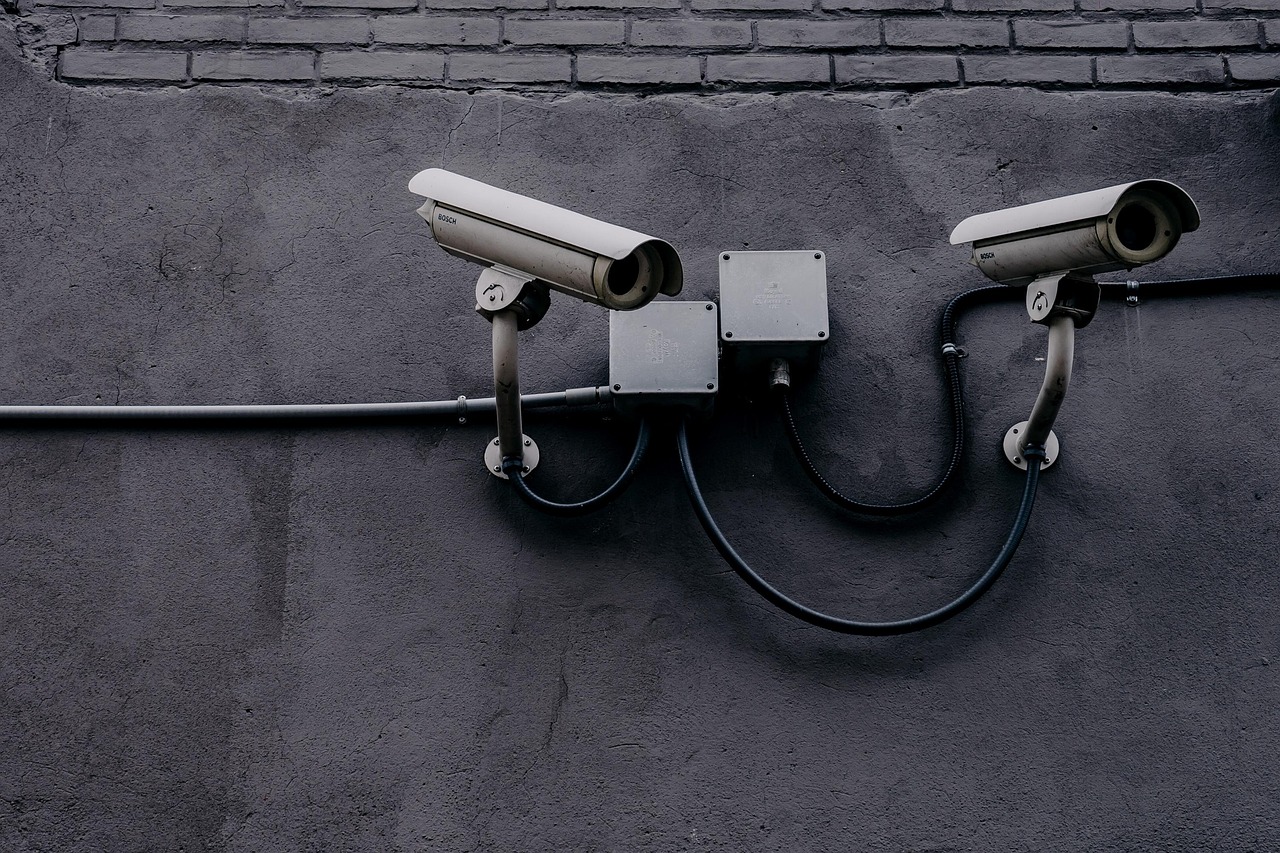
Surveillance: 24/7 monitoring of casino floors, high-roller tables, and critical areas using closed-circuit television (CCTV) systems, cameras, and advanced analytics software.
-
Risk Assessment: Identifying potential vulnerabilities and assessing the likelihood and impact of security breaches through comprehensive risk analysis.
-
Access Control: Implementing strict entry and exit protocols, visitor management systems, and secure entry points to control who enters the casino and where they go.
-
Money Handling Procedures: Strict protocols for handling cash, including secure transport, counting, storage, and accountability measures.
-
Employee Training: Regular training programs that educate staff on security protocols, fraud detection, customer service, and crisis management.
How Does Casino Security Work?
Casino security operates as a sophisticated, integrated system that leverages advanced technologies and human expertise.
Step-by-Step Process:
-
Risk Analysis: Security teams conduct thorough assessments of the casino floor, identifying high-risk areas like VIP tables, cash cages, and high-traffic zones.
-
Surveillance: High-definition cameras and analytics software monitor activities in real time, tracking player behavior, transactions, and unusual patterns that might indicate fraudulent activity or security breaches.
-
Access Control: Strict entry procedures, biometric scanners, and secure doors limit access to restricted areas. Visitors are logged, monitored, and escorted when necessary.
-
Money Handling: Cash transactions are tracked using specialized software, ensuring proper handling, storage, and reconciliation. Armed guards transport cash between locations as required.
-
Incident Response: Security teams are prepared for emergencies through well-rehearsed protocols, including crisis management, evacuation procedures, and collaboration with local law enforcement.
Why is Casino Security Important?
Implementing robust casino security measures is crucial for several reasons:
1. Protecting Revenue and Assets
Casino security safeguards the casino’s financial assets, preventing theft, fraud, and counterfeit activities that could significantly impact revenue.
2. Ensuring Fair Play and Player Safety
A secure environment promotes trust among players, encouraging them to engage in fair play without worrying about manipulation or exploitation.
3. Maintaining Legal Compliance
Casino security is essential for adhering to legal requirements and regulatory standards governing gambling operations. Non-compliance can lead to severe penalties and damage the casino’s reputation.
4. Mitigating Financial Risks
By minimizing security breaches, casinos reduce financial losses associated with fraud, theft, and operational disruptions.
When Do You Need Casino Security?
Casino security is a continuous necessity, but its intensity varies based on several factors:
-
High-Roller Games: VIP tables and high-stakes gaming areas require heightened security due to the potential for larger losses and increased fraud risks.
-
Cash Transactions: Casinos handling substantial cash amounts, especially during peak hours, need stringent money handling procedures and armed guards.
-
Special Events: Major tournaments, celebrity appearances, and exclusive events necessitate additional security measures to manage crowd control and protect high-value items.
-
Regulatory Audits: During audits, casinos must demonstrate strict adherence to security protocols, requiring heightened vigilance and documentation.
Casino Security vs Gambling Fraud: Distinguishing Between Them
It’s crucial to understand the difference between effective casino security and gambling fraud, as they are distinct yet interconnected:
-
Casino Security: Focuses on protecting casino assets, ensuring fair play, and maintaining order during gaming activities. It aims to create a safe and enjoyable environment for all participants.
-
Gambling Fraud: Involves deliberate deception or manipulation by individuals or groups to gain an unfair advantage over the casino. This includes actions like card counting, chip switching, or using altered playing cards.
While casino security measures aim to prevent fraud, they also serve to deter would-be perpetrators from attempting fraudulent activities in the first place.
Conclusion: Securing a Secure Casino Environment
In conclusion, casino security explained as a comprehensive system designed to protect high-roller areas and the entire casino operation. By combining advanced surveillance technology, robust access control, meticulous risk management, and well-trained personnel, casinos can create a safe, secure, and enjoyable environment for players while safeguarding their assets. Continuous evaluation, adaptation, and innovation in security protocols are essential to stay ahead of evolving threats in the dynamic world of gambling.
References
- Casino Security and Surveillance: Roles and Responsibilities — www.acgcs.org
- Casino security – Wikipedia — en.wikipedia.org