Casinos operate in a highly regulated environment, demanding robust security measures to protect both patrons and operators. This article provides an explained casino security (casino security on casinovistaplay.com) overview, delving into the various components that safeguard against theft, fraud, and unauthorized access. From surveillance technologies to cash management practices, this guide illuminates why each element is crucial for maintaining a secure gambling environment.
Casino Security Explained: A Comprehensive Overview
Casino security extends far beyond the floor lights and slot machines. It’s a intricate web of interconnected systems designed to prevent theft, protect patrons, and ensure fair play. This casino security explained piece explores the multifaceted approach used by casinos worldwide, highlighting key components that make up this essential infrastructure.
Understanding the Need for Casino Security
Why is casino security important? The gambling industry faces unique challenges, from petty theft to sophisticated fraud schemes. Well-designed security systems act as a first line of defense against:
- Theft: Cash, chips, and valuable items are prime targets for thieves.
- Fraud: Manipulated games, rigged machines, or illegal betting schemes can devastate casino profits and erode public trust.
- Illicit Activities: Casinos must guard against money laundering, gambling addiction, and other criminal enterprises.
Key Components of Casino Security Systems
1. Surveillance Technology
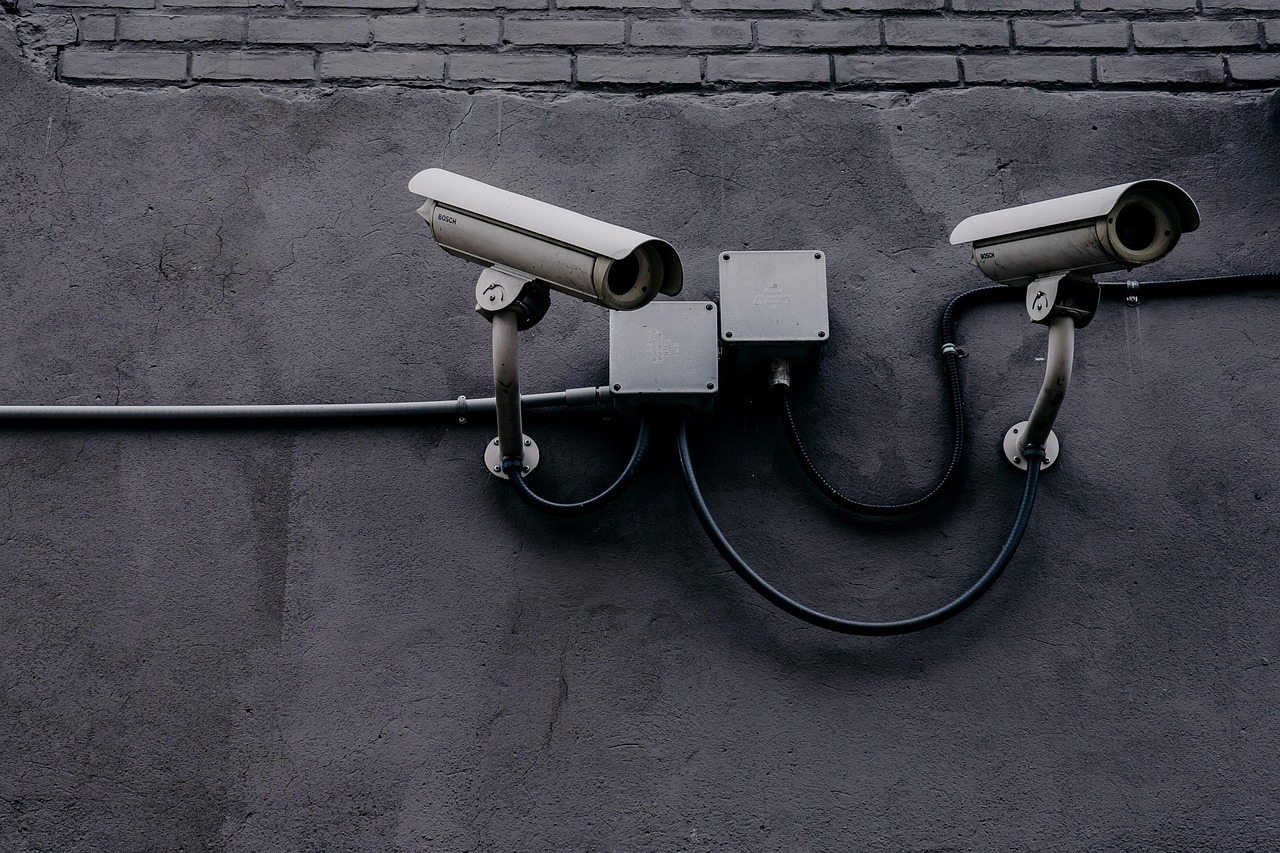
At the heart of casino security, surveillance is paramount. High-resolution cameras, both fixed and mobile, monitor every corner of the casino floor and key areas like cash cages and VIP rooms. This technology enables:
- Real-time Monitoring: Casino staff can observe activity for suspicious behavior or potential incidents.
- Evidence Gathering: Footage provides crucial evidence in investigations of theft, fraud, or altercations.
- Access Control: Cameras can trigger alarms or restrictions based on predefined rules and access levels.
Advanced Surveillance Features:
- Facial Recognition: Identifies known problem gamblers or individuals with criminal records.
- Heat Maps: Analyze foot traffic patterns to identify congestion areas and potential security risks.
- Drone Surveillance: Provides aerial views for broader area monitoring, especially in larger casinos.
2. Access Control Systems
Effective casino security relies on strict access control measures.
- Identity Verification: Patrons must present valid identification to enter, preventing unauthorized individuals from gambling or causing disruptions.
- Visitor Tracking: Casinos log the entry and exit points of all visitors, enabling staff to monitor who is inside and when.
- Key Card Access: This system restricts access to restricted areas like VIP rooms, cashier cages, and security control centers.
3. Cash Management Practices
Securing cash is a top priority in casino security. Strict protocols and specialized equipment safeguard against:
- Robbery and Theft: Cash cages utilize armored containers, surveillance cameras, and armed guards to protect large amounts of cash on hand.
- Counterfeiting: Casinos employ advanced currency detection machines to identify fake bills before they enter circulation.
- Internal Fraud: Strict procedures for handling and counting cash minimize opportunities for employees to steal.
4. Game Integrity Monitoring
Maintaining the integrity of games is crucial for casino security. This involves:
- Random Number Generators (RNGs): Used in electronic games to ensure fair outcomes, these generators are regularly audited to confirm randomness and prevent manipulation.
- Table Games Surveillance: Dealers follow strict rules, and supervisors monitor gameplay for any signs of irregularity or collusion.
- Cheat Detection Software: This technology flags unusual betting patterns or suspicious activity at gaming tables.
5. Network Security
As casinos increasingly go digital, network security becomes paramount:
- Firewalls and Intrusion Detection Systems (IDS): Protect against cyberattacks, unauthorized access to casino systems, and data breaches.
- Encryption: Ensures the confidentiality and integrity of sensitive data stored and transmitted by the casino.
- Regular Security Audits: Identify vulnerabilities and implement patches to protect against emerging threats.
When Do You Need Casino Security?
Casino security is essential at all times, but certain situations demand heightened vigilance:
- High-Stake Games: VIP rooms and high-roller tables require enhanced security due to the higher value of bets and potential for fraud.
- Special Events: Major tournaments or celebrity appearances attract large crowds and necessitate extra security measures.
- Seasonal Peak Times: During holidays or weekends, casinos experience heavier foot traffic, increasing the risk of theft and other incidents.
Casino Security vs. Gambling Fraud: A Continuous Battle
Gambling fraud takes many forms, from cheating at games to money laundering schemes. Casino security plays a crucial role in preventing these activities by:
- Implementing Measures: Using advanced technology, strict protocols, and trained staff to deter and detect fraudulent behavior.
- Collaboration: Working with law enforcement, gaming regulators, and other casinos to share intelligence and best practices.
- Staying Ahead: Adapting security measures in response to evolving fraud techniques and new technologies.
Conclusion: Securing the Casino Experience
Casino security explained is a multifaceted discipline that goes far beyond basic surveillance. It involves a layered approach, combining technology, procedures, and personnel to create a secure environment for patrons and operators alike. By understanding the various components of casino security systems, we gain appreciation for the intricate work that safeguards the integrity of this vibrant industry.