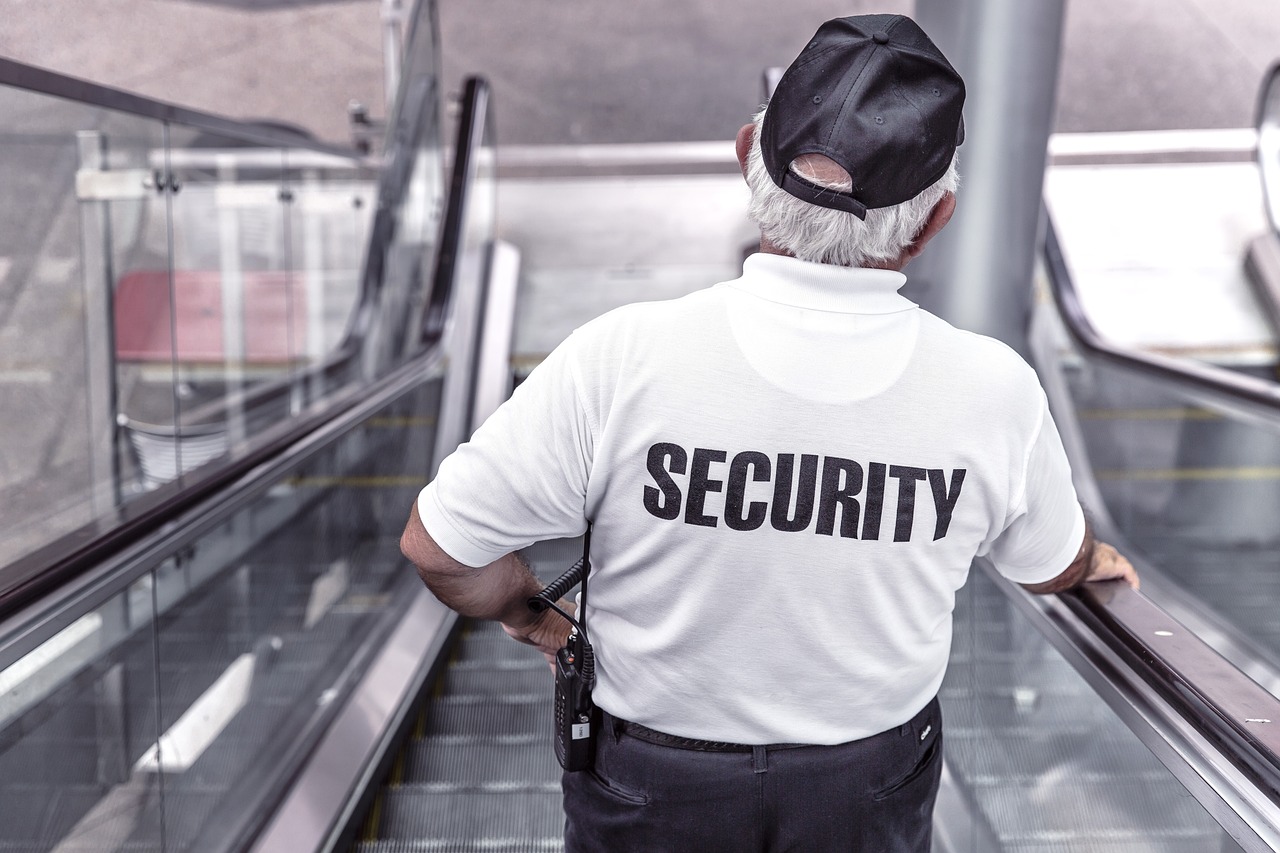
In today’s world, the issue of problem gambling has emerged as a significant challenge within the casino industry, demanding heightened Casino Security Explained. The allure of gambling, once confined to secluded venues, now permeates digital platforms, amplifying its accessibility and potential for misuse. This surge in participation has not gone unnoticed by criminals, who exploit vulnerable individuals for financial gain. Understanding this evolving landscape is crucial for security professionals tasked with safeguarding both patrons and the integrity of gaming establishments. This article delves into effective strategies to identify and mitigate problem gambling, offering insights into a comprehensive approach to casino security.
- Identifying Red Flags: Casino Security Explained
- Intervention Strategies for Problem Gamblers
- Protecting Both Gamblers and Casinos: Best Practices
Identifying Red Flags: Casino Security Explained
Problem gambling is a significant concern for casino operators, requiring a comprehensive understanding of casino security explained. Casino security 101 for beginners involves recognizing subtle signs of distress or unusual behavior that could indicate problem gambling. Trained staff and advanced surveillance systems play a crucial role in preventing gambling-related crimes. By implementing robust security measures, casinos can create a safe environment, protect patrons, and mitigate potential risks.
Identifying red flags is the first step in addressing problem gambling. Casino security cameras 101 equips staff to recognize behavioral changes, such as frequent trips to the ATM, large cash withdrawals, or unusual betting patterns. For instance, a patron consistently doubling down on bets or playing at unusual hours might signal a need for closer monitoring. Security personnel must be adept at discreetly observing and documenting these behaviors without intruding on patrons’ privacy. According to a study by the National Council on Problem Gambling, early identification can lead to successful intervention and improved outcomes for at-risk individuals.
To enhance casino security, several solutions are worth considering. Regular staff training and the deployment of advanced analytics in surveillance systems can significantly improve detection rates. Implementing dynamic betting limits and utilizing technology to track player behavior are also effective strategies. Moreover, fostering an open dialogue with patrons about responsible gambling can empower staff to identify and assist problem gamblers more effectively. By combining these measures, casinos can create a safer environment, prevent gambling-related crimes, and ensure a positive experience for all visitors.
Intervention Strategies for Problem Gamblers
Casino security explained involves a multi-faceted approach to addressing problem gamblers, whose actions can pose significant risks to both the facility and its patrons. Intervention strategies for problem gamblers are crucial in preventing gambling-related crime in casinos. By implementing robust measures, casino security teams can not only deter illegal activities but also improve customer safety and enhance the overall gaming experience. One of the primary steps is to identify high-risk individuals through behavior analysis, leveraging advanced technology such as biometric security systems that can detect patterns indicative of problematic gambling habits.
For instance, casinos in certain jurisdictions are adopting facial recognition software and other biometric technologies to monitor patrons’ spending patterns and betting behaviors. When combined with data analytics, these tools enable casino security teams to flag individuals who exhibit signs of excessive gambling or money laundering attempts. This proactive approach not only helps in resolving credit card theft in casinos but also allows for timely intervention before situations escalate. For example, a study by the National Council on Problem Gambling showed that early intervention programs can reduce the likelihood of problem gamblers engaging in extreme behaviors such as suicide attempts or financial ruin.
How to improve casino customer safety involves a blend of technological solutions and human oversight. Casino security personnel should be adequately trained to recognize warning signs and conduct discreet, respectful interactions with problem gamblers. In cases where persistent issues are identified, casinos should consider implementing personalized intervention plans that may include referrals to counseling services or self-exclusion programs. Preventing gambling-related crime in casinos becomes more manageable when security measures are integrated seamlessly into the casino floor layout, ensuring easy access for staff while maintaining a safe and enjoyable environment for all customers. Additionally, regular reviews and updates of existing policies can help keep pace with evolving trends in problematic gambling behaviors, making it easier to adapt strategies accordingly.
Protecting Both Gamblers and Casinos: Best Practices
In the intricate dance between providing entertainment and ensuring fairness, casino security stands as a cornerstone of the gambling industry. Protecting both gamblers and casinos from potential threats is a multifaceted challenge that requires sophisticated strategies and constant vigilance. Casino security, or casino surveillance as it’s also known, involves a comprehensive system of monitoring, analyzing, and responding to activities within the casino environment. This includes everything from preventing cheating and fraud to identifying suspicious behavior and ensuring the safety of patrons.
How to spot suspicious activity in casinos and implement effective casino surveillance techniques explained are critical components of modern casino security. Advanced surveillance systems, including high-resolution cameras, motion sensors, and data analytics software, play a pivotal role in this process. These tools enable casino security personnel to monitor high-risk areas, track patron behavior, and quickly detect anomalies. For instance, a sudden increase in cash withdrawals from a single player or unusual betting patterns can be flagged as potential red flags. Casino surveillance techniques explained often involve discreet yet thorough observation, allowing security teams to assess the scene without causing disruption. This delicate balance is key to maintaining a welcoming atmosphere while preserving the integrity of the gaming experience.
As cyber threats evolve, so must casino security measures. Protecting sensitive data and preventing credit card theft in casinos is a primary concern. Casinos must invest in robust cybersecurity systems to safeguard financial transactions and personal information. This includes regular system updates, employee training on data security, and implementing multi-factor authentication for access to critical systems. A comprehensive approach to casino security also encompasses emergency response planning, risk assessment, and the fostering of a culture of awareness among both staff and visitors. By adhering to these best practices, casinos can create a safe and secure environment, fostering trust among their patrons.
Visit us at [Resolve Credit Card Theft in Casinos] to learn more about enhancing casino security and mitigating risks effectively.
In addressing problem gamblers from a casino security standpoint, this article has illuminated several critical aspects of Casino Security Explained. By identifying red flags, understanding intervention strategies, and adopting best practices for protection, casino operators can effectively navigate this complex issue. Key takeaways include the importance of recognizing behavioral patterns indicative of problematic gambling early on, implementing tailored intervention approaches that foster responsible gaming, and prioritizing the well-being of both gamblers and the casino’s interests. Moving forward, a proactive and empathetic approach to problem gambler management is essential, drawing on comprehensive training, collaborative partnerships, and continuous improvement strategies. This holistic view ensures not only the integrity of the casino environment but also the long-term health and safety of vulnerable individuals.
Casino Security Explained:
Casinos employ robust security measures to address problem gambling, prevent crimes, and ensure customer safety. Key strategies include:
1. Early Identification: Train staff to recognize behavioral changes like unusual betting patterns or frequent ATM visits.
2. Advanced Surveillance: Utilize cameras, analytics, and biometric systems to monitor patrons and detect red flags.
3. Proactive Approaches: Implement dynamic betting limits, foster open dialogues about responsible gambling, and personalize intervention plans for at-risk individuals.
4. Technological Solutions: Integrate cybersecurity measures to protect sensitive data and prevent credit card theft.
5. Human Oversight: Train security personnel to conduct discreet, respectful interactions with problem gamblers.