In the dynamic world of casino gaming, ensuring fair play is paramount to maintaining trust and integrity. Preventing table game cheating, a subtle yet insidious threat, demands meticulous attention from Casino Security Explained. This comprehensive exploration delves into the intricate strategies employed by both cheaters and casino staff, dissecting common techniques and innovative countermeasures. By unraveling the complexities of card counting, marking cards, and other deceptive practices, we equip readers with knowledge to recognize and mitigate potential risks. Our goal is to empower stakeholders with the tools necessary to safeguard the essence of gambling entertainment—a level playing field for all participants.
- Casino Security Explained: Identifying Common Cheating Methods
- Preventative Measures: Staff Training & Surveillance Techniques
- Advanced Technologies: Detecting Cheats in the Digital Age
Casino Security Explained: Identifying Common Cheating Methods
Casino Security Explained: Unveiling Common Cheating Methods
In the high-stakes world of table games, casino security is paramount. It involves a sophisticated blend of technology, personnel, and protocols designed to prevent cheating and ensure fair play. Casino security experts employ a range of methods to identify and mitigate attempts at fraud, from classic sleight-of-hand tricks to more sophisticated digital manipulations. Understanding these techniques is crucial for both casinos and patrons, highlighting the importance of robust security measures.
One of the most common methods of cheating in table games is the use of marked cards. Cheaters may alter cards with invisible ink or subtle markings, allowing them to predict the outcome and make advantageous bets. To combat this, casinos invest in specialized equipment like randomizers and shufflers that mix cards randomly, making it nearly impossible to mark them. Additionally, trained dealers and vigilant pit bosses play a vital role in detecting suspicious behavior, such as players memorizing card patterns or using external devices to signal card values.
Biometric security, when implemented, adds another layer of protection. Technologies like fingerprint scanners and facial recognition can prevent impersonation and unauthorized access to gaming areas. For instance, casinos with high-roller tables often require biometric authentication to ensure that only authorized individuals can participate, significantly deterring organized cheating syndicates. While biometric security is not a universal requirement, its effectiveness in curbing sophisticated fraud has led to increased adoption, especially in response to the evolving digital landscape and the need for more robust protection.
Another critical aspect of casino security is the timely identification and report of gambling addiction. Casinos should have robust systems in place to recognize signs of problematic gambling, such as excessive betting, rapid loss of funds, or unusual behavior. Encouraging players to seek help through dedicated gambling addiction support services, like the ones offered by our organization, report gambling addiction in casinos, is essential. Early intervention and support can prevent situations where individuals might resort to desperate measures to recover losses, potentially leading to cheating or other unethical behavior.
Preventative Measures: Staff Training & Surveillance Techniques
Preventative measures play a pivotal role in casino security, with staff training and surveillance techniques forming the frontline of defense against cheaters. A comprehensive approach involves equipping employees with the knowledge to identify suspicious behavior and potential cheating methods. This includes understanding various card counting strategies, mark detection, and pattern recognition. Regular training sessions should cover new and evolving cheat tactics, ensuring staff remain vigilant. For instance, training could include role-playing scenarios to simulate high-stakes table interactions, allowing staff to practice identifying cheaters without compromising actual games.
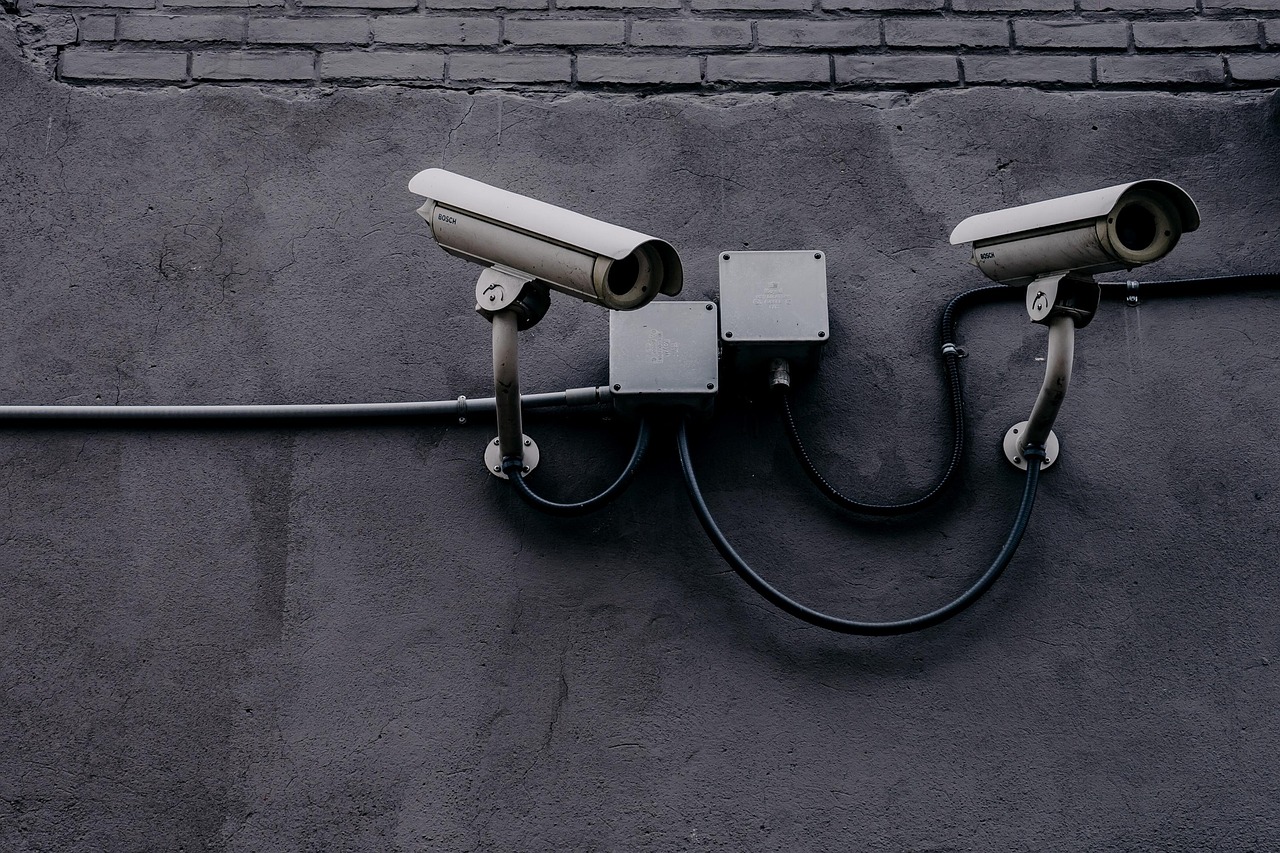
Surveillance is another critical component. Advanced surveillance techniques employ technology like high-resolution cameras, thermal imaging, and AI-driven analytics to monitor tables continuously. These tools aid in detecting unusual patterns or deviations from normal play, enabling casino security to intervene promptly. For example, AI algorithms can analyze player behavior, flagging instances of unusual betting patterns or card manipulation. Integrating such technologies requires careful planning and adherence to data privacy regulations, ensuring that surveillance enhances security without infringing on customer privacy.
Troubleshooting casino robbery scenarios and resolving credit card theft are ongoing challenges. Implementing biometric security measures, such as facial recognition or fingerprint scanning, can significantly deter potential criminals. When should casinos consider these advanced solutions? The decision should be based on factors like game popularity, average bet sizes, and historical security incidents. For instance, high-stakes poker rooms or table games with valuable side bets might benefit from biometric checks at entry points to prevent credit card fraud or organized cheating rings. By combining robust staff training and cutting-edge surveillance technology, casinos can future-proof their operations, ensuring a safer gaming environment for all. Find us at [your brand/website] to explore more advanced casino security solutions.
Advanced Technologies: Detecting Cheats in the Digital Age
In today’s digital age, casino security has evolved to meet the advanced technologies employed by cheaters. While traditional surveillance methods remain crucial, modern casinos are leveraging sophisticated tools to detect cheats more effectively. Casino security explained as a holistic approach involves a fusion of cutting-edge technology and expert observation, aiming to identify patterns indicative of fraudulent behavior. Unlike simple surveillance, which focuses on visual monitoring, advanced casino security systems employ data analytics, machine learning algorithms, and specialized software to uncover subtle cheats who attempt to manipulate games, especially those with electronic components.
One significant difference between casino security and traditional surveillance is the scope and depth of information analyzed. Advanced security systems can track player behavior across multiple tables, identify anomalies in betting patterns, and flag suspicious activities in real-time. For example, artificial intelligence algorithms can detect when a player’s winning streak deviates from statistical expectations, potentially indicating collusion or skill manipulation. Furthermore, these technologies enable casino managers to review historical data, uncovering previously undetected cheating rings that have operated over extended periods. By integrating such systems, casinos not only enhance their customer safety but also deter potential cheaters by demonstrating a robust security posture.
How can casinos improve upon their surveillance practices? The key lies in continuous technological innovation and training. Investing in state-of-the-art camera systems with high-resolution capabilities and advanced analytics ensures every angle is covered, making it harder for cheats to exploit blind spots. Additionally, employing machine learning models that adapt to new cheating schemes can help keep one step ahead of sophisticated criminals. Regular updates and testing of these systems are vital, as are the skills of casino security personnel. Training sessions focusing on identifying subtle signs of cheating, understanding player behavior, and utilizing advanced tools ensure a proactive approach to casino security.
In conclusion, as casinos face evolving challenges from tech-savvy cheaters, embracing cutting-edge technologies is essential for maintaining fair play. By combining advanced surveillance with robust data analytics, casinos can create an environment that is not only safer for customers but also repels potential cheats. Remember, in a rapidly changing landscape, staying at the forefront of casino security means continuously adapting and innovating to protect the integrity of games and preserve the excitement of the gaming experience for all patrons. For more detailed guidance on troubleshooting casino robbery scenarios, find us at [brand/website].
In a comprehensive overview of Casino Security Explained, we’ve delved into the intricate world of table game cheating prevention, uncovering a wealth of knowledge for casino operators and security professionals. Through understanding common cheating methods employed by seasoned crooks, leveraging staff training as a first line of defense, and embracing advanced technologies that detect anomalies in real-time, casinos can fortify their defenses effectively. This article has highlighted the critical importance of staying ahead of cheaters through continuous education, vigilant surveillance, and innovative digital solutions, ensuring fair play and protecting the integrity of the gaming experience for all patrons. By implementing these strategies, the casino industry can continue to thrive with enhanced security measures that safeguard against sophisticated cheating attempts.
Casino Security Explained: Comprehensive Overview
1. Preventative Measures: Staff training and surveillance techniques form the first line of defense. This includes understanding card counting, mark detection, and pattern recognition. Regular training on evolving cheat tactics ensures staff preparedness.
2. Advanced Surveillance: Utilizes high-resolution cameras, thermal imaging, and AI-driven analytics to monitor tables continuously. AI algorithms analyze player behavior, flagging unusual betting patterns or card manipulation.
3. Modern Technologies: Casinos leverage data analytics, machine learning, and specialized software to detect subtle cheats, especially in electronic games. These systems track player behavior across multiple tables and uncover historical cheating rings.
4. Continuous Innovation: Investing in state-of-the-art technology, regular system updates, and training sessions focusing on subtle signs of cheating ensures a proactive approach.
5. Deterrence and Protection: By combining advanced surveillance with robust data analytics, casinos create a safer environment, deterring potential cheats and preserving the integrity of games.