Casino security is a paramount concern in the table games realm, as the integrity of gameplay directly impacts player trust and house profits. Preventing cheating at tables like blackjack, roulette, or poker is an ongoing challenge for casino operators. This deep dive into casino security explained explores sophisticated techniques employed to safeguard fair play. From advanced surveillance technology and staff training to rigorous card shuffling protocols, we uncover a multi-faceted approach designed to thwart even the most astute cheaters. By understanding these methods, both players and dealers can ensure an authentic and enjoyable gaming experience.
- Understanding Casino Security Measures: A Foundation for Fair Play
- Detecting Table Game Cheats: Techniques and Training
- Preventive Strategies: Securing the Gaming Experience
Understanding Casino Security Measures: A Foundation for Fair Play
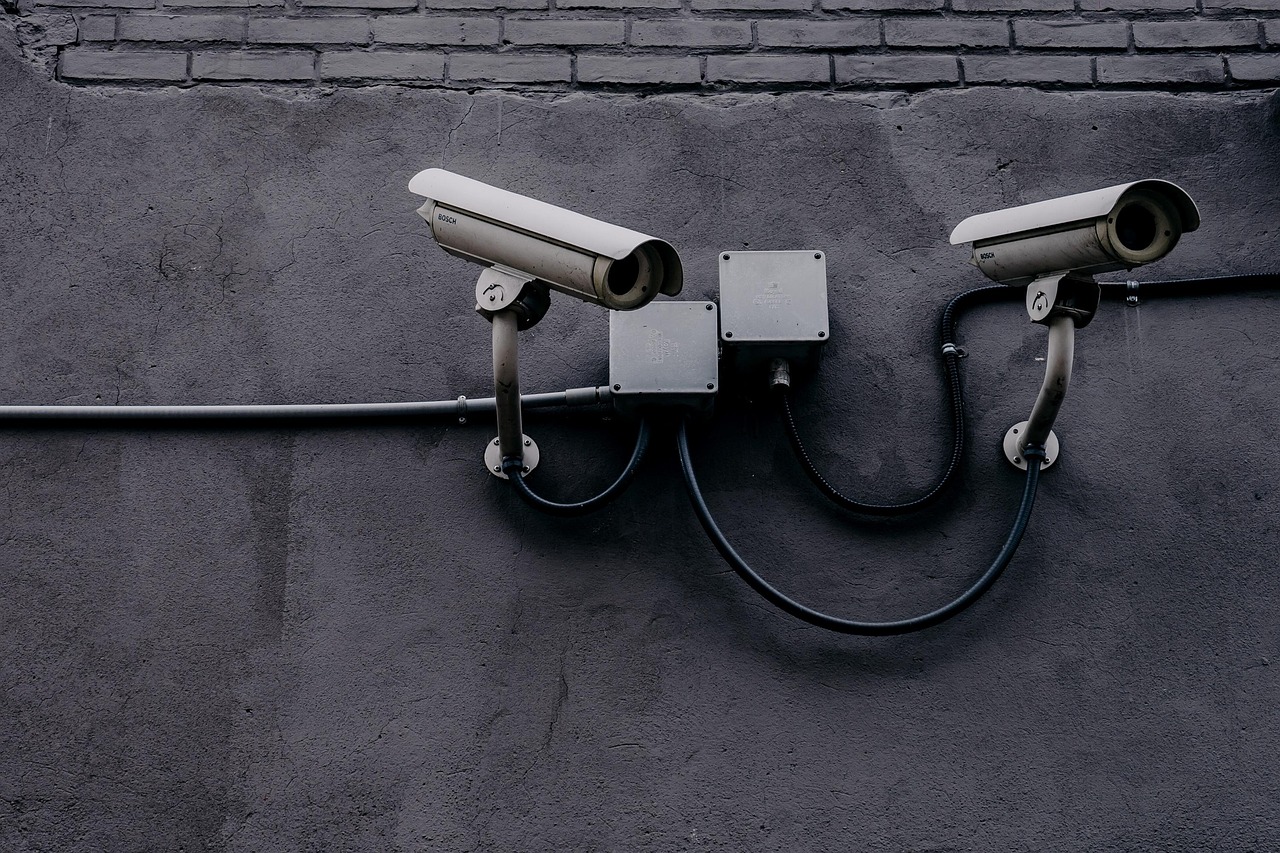
Casino security measures form the bedrock of fair play in table games, ensuring every player has an honest chance at success. Effective casino security involves a multi-layered approach, combining both physical and technological solutions. Security personnel, trained in observing human behavior and equipped with state-of-the-art surveillance tools, monitor the floor. High-resolution casino security cameras 101 are strategically placed to capture every angle, allowing for continuous observation and the immediate detection of any suspicious activity.
Beyond visual surveillance, advanced software plays a crucial role. AI-powered systems analyze player patterns, flagging unusual betting behaviors that might indicate cheating. These tools, coupled with robust data analytics, enable security teams to identify potential risks and intervene proactively. Best practices for casino floor safety also incorporate rigorous employee screening and training, ensuring that every staff member understands their role in maintaining integrity. Regular drills and simulations further fortify these protocols, preparing security personnel for a range of scenarios.
Preventing gambling-related crime requires a holistic strategy. By integrating cutting-edge technology with diligent human oversight, casinos can create an environment that discourages dishonest behavior. For example, some casinos employ RFID chips in playing cards, allowing for real-time tracking and immediate detection of unauthorized card manipulation. This technology, combined with continuous security training and proactive player monitoring, significantly enhances the overall security of table games. Ultimately, a strong casino security posture not only protects the casino’s interests but also ensures players enjoy a safe and trustworthy gaming experience.
Detecting Table Game Cheats: Techniques and Training
Detecting table game cheats requires a multi-faceted approach, combining keen observation, advanced technology, and rigorous training. Casino security teams play a crucial role in preventing gambling-related crime, ensuring fair play, and protecting the integrity of the gaming floor. One of the primary methods for identifying potential cheaters is through meticulous pattern recognition. Trained casino security personnel learn to pick up on subtle anomalies in player behavior, such as unusual betting patterns or suspicious interactions with other players. For example, a patron consistently placing bets at irrational odds or exhibiting nervously fidgeting behavior might raise red flags.
Advanced technology also plays a significant part in modern casino security. Random number generators (RNGs) and camera surveillance systems are instrumental in detecting cheating attempts, especially on slot machines. Why are slot machines locked? It’s not just for physical security; it’s also to prevent tampering with the RNG, which ensures fair gameplay. Casino security experts continually monitor these systems, looking for any anomalies that could indicate manipulated software or unusual activity. Additionally, some casinos employ smart cards and biometric authentication to verify player identities, further enhancing security measures.
Training casino staff in identifying suspicious activities is paramount. Regular workshops and simulations prepare them to handle various scenarios, from card counting to device tampering. A recent study found that approximately 15% of reported gambling-related incidents involve some form of technological manipulation, highlighting the importance of well-trained personnel. Staff members learn to observe not just behavior but also physical cues, like unusual hand movements or the use of covert communication devices. By combining these techniques, casino security teams can effectively prevent and deter cheating attempts, ensuring a fair gaming environment for all patrons.
If you need help in spotting suspicious activity in casinos, don’t hesitate to reach out. Our experts are available to provide guidance and share best practices tailored to your establishment’s unique needs.
Preventive Strategies: Securing the Gaming Experience
Casino security goes beyond surveillance. Effective prevention of table game cheating requires a multi-layered approach. While surveillance is a crucial component, it’s just one piece of the puzzle. Casino security professionals must employ a blend of technology, staff training, and procedural safeguards to ensure fairness and protect the integrity of games. For instance, implementing advanced card-shuffling machines with randomization features can significantly reduce the risk of card manipulation.
Physical security measures, such as secure storage of gaming equipment, regular maintenance, and the use of tamper-evident seals on slot machines, play a vital role in preventing tampering. These measures, combined with rigorous staff training on customer behavior and suspicious activities, can help identify and deter potential cheaters. For example, staff members can be trained to recognize patterns of behavior that might indicate card counting or other cheating methods, enabling them to take prompt action.
Moreover, casinos should foster a culture of transparency and ethics among employees. Encouraging staff to report any suspected cheating activities, without fear of retaliation, is essential. According to industry data, casinos that promote an open reporting system see a notable decrease in successful cheating incidents. Regular security audits and updates to security protocols also ensure that cheaters remain off-guard.
In the event of gambling addiction, casinos should have robust reporting mechanisms in place. Encouraging patrons to seek help when needed is crucial for their well-being and the overall health of the gaming environment. Remember, a secure casino experience benefits everyone, fostering trust and ensuring a positive, lasting impression for both regular players and visitors alike. For more in-depth guidance, visit us at stop cheating in casino games.
In this comprehensive exploration of casino security explained, we’ve uncovered crucial insights into preventing table game cheating. By understanding robust casino security measures, mastering detection techniques, and implementing effective preventive strategies, operators can ensure a secure and fair gaming experience for all. Key takeaways include the importance of ongoing staff training, advanced surveillance technologies, and thoughtful layout design. Moving forward, integrating these best practices will fortify casino environments against potential cheats, fostering trust and maintaining the integrity of table games.
Casino Security Explained:
Casino security measures protect fairness in table games, using a multi-layered approach combining physical and technological solutions. Key components include:
1. Surveillance: High-res cameras and AI-powered systems monitor player behavior for suspicious activity.
2. Technology: Advanced software analyzes patterns, flags unusual betting behaviors, and tracks playing cards (e.g., RFID chips) for real-time detection of cheating.
3. Training: Staff are rigorously trained to identify suspicious behaviors and conduct drills to prepare for various scenarios.
4. Prevention: Measures like secure equipment storage, tamper-evident seals, and transparent reporting cultures deter cheating and foster trust.
5. Support: Casinos should have mechanisms for addressing gambling addiction and encouraging patrons to seek help.