The issue of problem gambling has long been recognized as a significant challenge within the casino industry, with far-reaching implications for both individuals and society at large. As casinos continue to evolve, so too does the need for robust strategies to address this complex behavioral health concern from a security perspective. Casino Security Explained delves into the intricate dynamics between gambling establishments and problem gamblers, offering a comprehensive analysis of current challenges and proposing innovative solutions. By understanding the nuances of this issue, casino operators can enhance their security protocols, mitigate risks, and contribute to the well-being of their patrons.
- Identifying Problematic Gambling Patterns: Casino Security Explained
- Implementing Safeguards: Protecting Both Gamblers and the House
- Addressing Addiction: Intervention and Support Strategies for Casino Security Professionals
Identifying Problematic Gambling Patterns: Casino Security Explained
Identifying problematic gambling patterns is a critical aspect of casino security explained. Casino floor staff play a pivotal role in recognizing early signs of compulsive gambling, which can range from frequent large bets to unusual betting behaviors. By implementing best practices for casino floor safety, operators can create an environment that encourages responsible gaming while also allowing for swift intervention when necessary. This proactive approach helps troubleshoot casino robbery scenarios, as a well-informed security team can anticipate and mitigate risks.
For example, a pattern of abruptly leaving the table, refusing to share information about bets, or displaying extreme emotional reactions after losing can indicate problem gambling. Employing former law enforcement for casino security can enhance these observations, as these professionals have a keen eye for detail and a deep understanding of human behavior. They can assist in training staff on recognizing subtle cues and differentiating between regular high-rollers and problem gamblers. Additionally, when should casinos implement biometric security? This advanced technology, which includes facial recognition and fingerprint scanning, can be a game-changer in verifying patrons’ identities and preventing unauthorized access, especially in high-risk areas.
Casinos should consider biometric security, especially in regions with higher gambling-related crime rates or when hosting high-stakes events. For instance, a study by the National Council on Problem Gambling found that implementing biometric systems can reduce fraud and identity theft by up to 75%. Moreover, employing former law enforcement officers for casino security roles allows for the fusion of industry expertise with a proven track record in maintaining public safety. These professionals can help develop and execute effective strategies for identifying and addressing problem gambling, ultimately fostering a safer and more secure gaming environment.
Implementing Safeguards: Protecting Both Gamblers and the House
In the realm of casino security, protecting both gamblers and the house is paramount. Implementing robust safeguards is crucial to mitigate risks, ensuring a safe and fair environment for all. Casino security explained involves a multi-faceted approach, with access control playing a pivotal role. Limiting access to high-value areas and VIP rooms is essential to prevent theft and unauthorized activities. For instance, biometric scanners and facial recognition technology can verify identities swiftly and accurately, replacing traditional but less secure methods.
The importance of access control in casinos cannot be overstated, especially in high-stakes gaming areas. Casino security personnel should employ dynamic entry protocols, where access permissions are adjusted based on real-time assessments of risk. This might include monitoring patron behavior, their companions, and any unusual activity. For example, a gambler displaying signs of distress or unusual gambling patterns could trigger a heightened security response to ensure their well-being and protect the casino from potential exploitation.
Moreover, the future of casino security technology looks set to be transformed by artificial intelligence (AI) and machine learning (ML). These technologies can analyze vast datasets to predict and prevent potential security breaches. AI-powered surveillance systems can detect anomalies in real time, enhancing the ability to respond to incidents swiftly. Additionally, with the rise of online gambling, ensuring secure digital transactions and protecting VIPs’ online accounts has become equally critical. Give us a call at dealing with casino theft and loss prevention to learn more about these advanced security measures.
To summarize, casino security is an ever-evolving field, requiring innovative solutions to stay ahead of emerging threats. By integrating advanced technology, enhancing access control, and adopting proactive risk management strategies, casinos can provide a secure environment for their patrons and protect their interests.
Addressing Addiction: Intervention and Support Strategies for Casino Security Professionals
Addressing addiction is a critical component of casino security, as it directly impacts the well-being of both patrons and the establishment. Casino security professionals are often on the front line, identifying problem gamblers and providing intervention strategies. The primary goal is to prevent escalation and promote responsible gaming, ensuring a safe and enjoyable environment for all. One effective approach involves recognizing the subtle signs of addiction and implementing support systems tailored to individual needs.
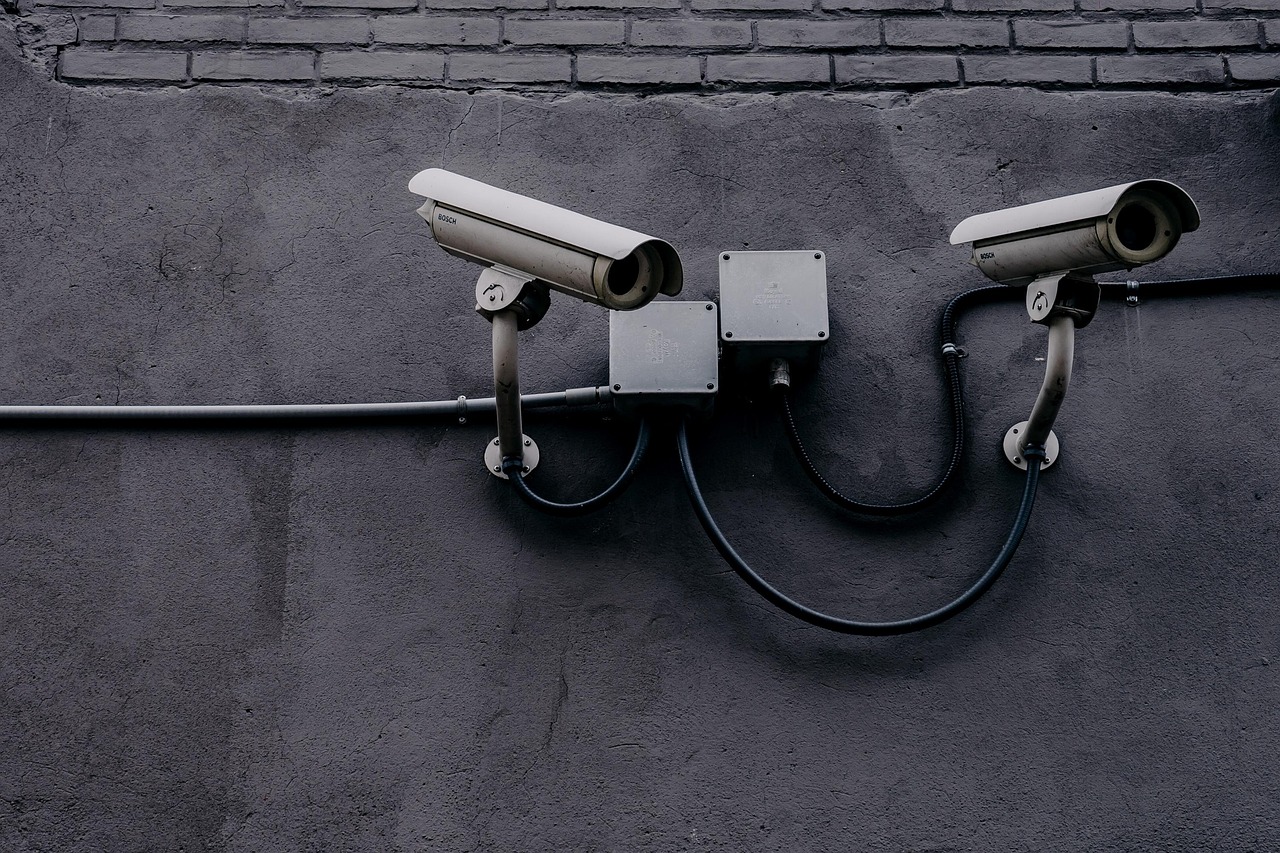
Intervention techniques should be compassionate yet firm, offering guidance and resources without judgment. Casino security personnel can play a vital role in educating patrons about the risks of excessive gambling and providing information on self-exclusion programs and counseling services. Regular monitoring and surveillance techniques, such as casino surveillance cameras and data analytics, are essential tools in identifying patterns indicative of problematic gambling behavior. By analyzing gambling trends and patron behavior, security professionals can proactively intervene, ensuring timely support.
The future of casino security technology lies in integrating advanced surveillance systems with artificial intelligence, allowing for more precise risk assessments. These technologies can predict and prevent potential crises, enhancing the overall security strategy. For instance, implementing emergency response plans specifically tailored to problem gamblers can significantly improve outcomes. This may include discreetly alerting crisis support services or having trained staff ready to assist. By combining traditional casino surveillance techniques with cutting-edge technology and a compassionate approach, casino security professionals can create a safer and healthier gaming environment.
When do you need casino security? It’s crucial to assess the situation, as gambling addiction can manifest in various ways. Regular monitoring and prompt intervention are key. Give us a call at [Brand/NAP] to discuss how we can assist in developing comprehensive strategies, ensuring the well-being of your patrons and the successful operation of your casino.
Casino Security Explained offers a comprehensive toolkit for addressing problematic gambling from a security perspective. By identifying key patterns through advanced observation and technology, casino security professionals can implement robust safeguards to protect both gamblers and the house. This includes tailored interventions and support strategies to address addiction, ensuring a responsible gaming environment. The article’s insights empower security teams to navigate this complex issue effectively, fostering a safer and more sustainable gaming experience for all.
Casino Security Explained:
– Early Problem Gambling Detection: Floor staff play a vital role in recognizing signs like large bets, unusual behavior, or abrupt departures, enabling swift intervention.
– Best Practices: Implement best practices for floor safety, combining staff training with former law enforcement for detailed observations, especially in high-risk areas.
– Biometric Security: Utilize advanced technology like facial recognition and fingerprint scanning to verify identities and prevent fraud, as recommended for regions with higher gambling-related crime rates.
– Access Control: Limit high-value areas with dynamic entry protocols, real-time risk assessments, and AI/ML-driven surveillance for improved security.
– Addiction Intervention: Casino security professionals identify problem gamblers, provide tailored support, and educate patrons about self-exclusion, counseling, and crisis response plans.
– Comprehensive Strategy: Combine traditional surveillance with cutting-edge technology and compassionate approaches to create a safer, healthier gaming environment.