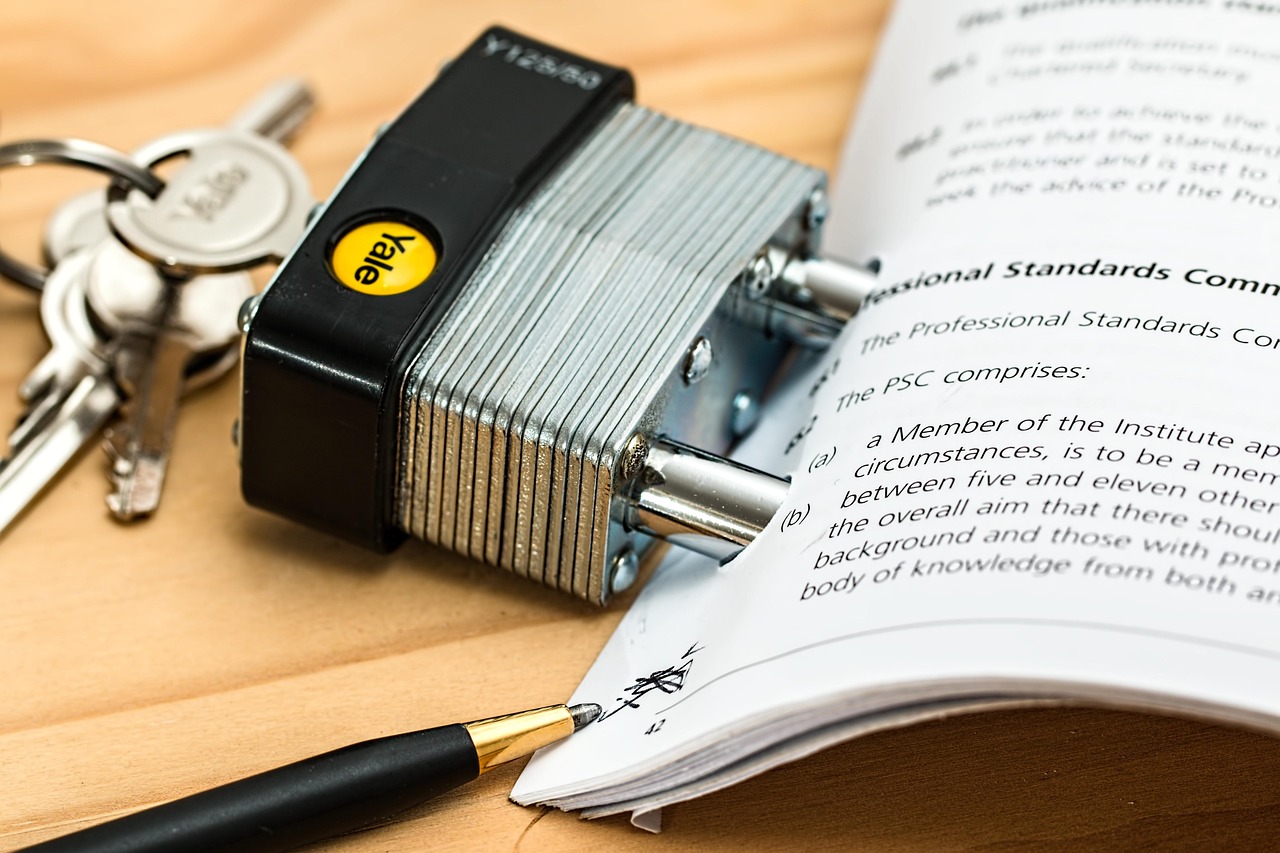
Casino security is a critical aspect of ensuring fairness and integrity in table games, where even the slightest lapse can have significant implications for both players and operators. Preventing table game cheating is not merely about catching con artists; it’s about maintaining trust, upholding ethical practices, and preserving the excitement that comes with fair play. This deep dive into casino security explained explores advanced techniques, technologies, and strategies employed to thwart cheaters, ensuring a level playing field for all enthusiasts. By understanding these methods, both players and dealers can better appreciate the robust measures in place to safeguard their gaming experiences.
- Casino Security Explained: Spotting Suspicious Behavior
- Table Game Protocols: Protecting Fairness for All Players
- Advanced Training Techniques: Ensuring Honest Gameplay
Casino Security Explained: Spotting Suspicious Behavior
Casino security is a multifaceted discipline, especially when it comes to preventing table game cheating. Casino security professionals, often called surveillance officers, play a crucial role in ensuring fair play and protecting the casino’s interests. They employ a range of techniques to spot suspicious behavior, from observing player interactions to utilizing advanced technology. For instance, they look out for unusual betting patterns, coordinated actions among players, or any deviation from typical gambling behavior. These officers are trained to pick up on subtle cues, such as nervous mannerisms or suspicious conversations, which might indicate collusion or attempted cheating.
Best practices for casino floor safety involve a combination of human observation and technological interventions. Surveillance cameras are strategically placed to cover every angle, allowing security teams to monitor activities in real time. However, human oversight remains paramount. Security officers rotate through different gaming areas to prevent fatigue and maintain alertness. They also collaborate with floor personnel to share insights and address any concerning incidents promptly. For example, a security officer might notice a player attempting to alter a deck of cards or using a hidden device to gain an unfair advantage. In such cases, immediate action can be taken, including removing the cheater from the table and voiding any suspicious bets.
Fixing slot machine tampering is another critical aspect of casino security. While table games pose unique challenges, slot machines require specific countermeasures. Tampering can involve altering the machine’s programming to favor certain players or manipulate the pay-out system. Casino security teams combat this by implementing regular maintenance checks and utilizing advanced security software to detect any anomalies. Additionally, they educate staff on recognizing suspicious behavior around slot machines, such as excessive tampering or unusual winning patterns. Casino security’s ultimate goal is to ensure a safe and enjoyable experience for all patrons, deterring potential cheaters and maintaining the casino’s reputation for fairness and integrity.
Why is casino security important? It goes beyond simply preventing cheating; it fosters an environment of trust and fairness. A robust security presence can deter would-be cheaters, encouraging honest play. Moreover, it safeguards the casino’s financial interests by minimizing losses from fraudulent activities. By adopting best practices for casino floor safety and staying vigilant, casinos can protect their assets and ensure the long-term success of their operations. For more in-depth guidance and innovative solutions to enhance casino security, visit us at [Brand/NAP].
Table Game Protocols: Protecting Fairness for All Players
Table Game Protocols: Safeguarding Fairness in Casinos
Casino security is a multifaceted discipline, and ensuring fairness at table games is a critical aspect. Protecting players from cheating and maintaining the integrity of games requires a sophisticated system of protocols and surveillance. Casino security teams play a pivotal role in upholding the trust and excitement that drive the gambling industry. They must be adept at recognizing subtle signs of cheating, which can range from classic card counting to more sophisticated techniques, especially in an era where technology can aid or mask fraudulent activities.
Effective table game security involves a blend of human expertise and advanced technology. Trained dealers and security personnel are the first line of defense, keeping an observant eye on player behavior. They are taught to identify unusual patterns, such as rapid betting changes or suspicious collaborations, which could indicate organized cheating. For instance, a player who suddenly increases bets when a specific card comes up multiple times might be employing a counting system. Casino security must also remain vigilant against money laundering schemes, where players attempt to introduce large amounts of ill-gotten funds into the casino ecosystem. Signs can include significant cash withdrawals, large purchases, or unusual betting patterns.
Surveillance technology is another vital tool. High-resolution cameras with advanced analytics can track player movements and betting behavior, alerting security to potential anomalies. Modern systems can even detect unusual gestures or subtle signals that experienced cheaters might use to communicate. By integrating these technologies, casinos can enhance their customer safety and deter potential cheaters. Moreover, regular training sessions and simulations for security personnel can prepare them to handle various scenarios, ensuring they stay ahead of evolving cheating tactics.
In a global context, comparing casino security standards reveals interesting disparities. Countries with stringent gambling regulations often lead in security measures, including rigorous training and state-of-the-art surveillance technology. For instance, Las Vegas, renowned for its robust casino security, employs advanced analytics and a vast network of cameras, while also relying on a highly skilled and vigilant workforce. To improve casino customer safety, establishments should focus on continuous training, embracing technological advancements, and fostering a culture of integrity. By doing so, they can ensure a fair and enjoyable experience for all players, as evidenced by the success stories of leading casinos worldwide, who prioritize casino security as a cornerstone of their operations. Find us at [Your Brand/Website] to explore more insights into comparing casino security in different countries.
Advanced Training Techniques: Ensuring Honest Gameplay
Casino security is a multifaceted field, and preventing table game cheating through advanced training techniques is a critical component. Casino security professionals play a vital role in ensuring honest gameplay, protecting both the casino and its patrons. By implementing sophisticated training programs, they equip dealers and staff with the knowledge and skills to identify and deter various cheating methods. These techniques extend beyond basic surveillance, delving into behavioral analysis, card counting patterns, and the subtle nuances of fraudulent play.
How to improve casino customer safety is a constant evolution, driven by the ever-adaptable strategies of cheaters. For instance, with the rise of technology, slot machines are now locked with advanced security features, making physical tampering more difficult. However, digital security breaches have emerged, highlighting the need for comprehensive training in cybersecurity for casino staff. The difference between casino security and surveillance lies in the depth of their responsibilities; security involves proactive measures, risk assessment, and customer safety, while surveillance focuses on monitoring activities for suspicious behavior.
Advanced training programs should incorporate realistic scenarios and role-playing exercises to prepare staff for diverse situations. By fostering a culture of vigilance and ethical play, casinos can significantly reduce the occurrence of cheating. Moreover, regularly updating training materials to reflect new cheating methods and technologies ensures that casino security remains proactive and effective. For example, knowing the difference between a legitimate high-stakes player and a professional cheater can be the key to preventing substantial financial losses.
In light of these considerations, give us a call at preventing gambling-related crime in casinos to explore tailored solutions and stay ahead in the battle against cheating. Casino security explained as a dynamic process requires continuous learning and adaptation to maintain the integrity of table games and slot machine systems, ultimately enhancing the overall customer experience.
By implementing robust Casino Security Explained protocols, casinos can effectively prevent table game cheating. Key insights include recognizing suspicious behavior, adhering to strict game protocols, and training staff to identify and mitigate potential cheating attempts. These measures ensure fairness for all players, maintaining the integrity of the gaming environment. Moving forward, casinos should prioritize ongoing staff training, stay updated with advanced detection techniques, and foster a culture of vigilance to safeguard against evolving cheating methods.
Casino Security Explained: A multifaceted discipline ensuring fairness in table games and slot machines through human observation, advanced technology, training, and proactive risk assessment. Key aspects include surveillance, behavioral analysis, cybersecurity, and continuous learning to adapt to evolving cheating methods, ultimately protecting patrons and casino interests. Best practices involve a combination of human oversight and technological interventions, fostering trust and fairness for long-term success.