In the fast-paced world of casino gaming, ensuring fair play is paramount to maintaining integrity and player trust. Preventing table game cheating is a critical aspect of Casino Security Explained, requiring a deep understanding of both human behavior and advanced technology. Cheating methods have evolved from simple card counting to more sophisticated tools and techniques, posing significant challenges to dealers and security personnel. This article delves into the intricate strategies employed by cheaters, dissecting their tactics with an eye towards enhancing casino security measures. By exploring these vulnerabilities, we aim to provide valuable insights for professionals in the gaming industry, fortifying defenses against deceptive practices and safeguarding the integrity of table games.
- Identifying Common Table Game Cheating Methods
- Casino Security Explained: Surveillance Techniques for Prevention
- Implementing Effective Anti-Cheat Measures: Best Practices
Identifying Common Table Game Cheating Methods
Table game cheating has long been a concern for casino operators, with con artists employing a variety of sophisticated methods to gain an unfair advantage. Casino security, a critical component of the gaming industry, plays a pivotal role in preventing and detecting these fraudulent activities. By understanding the common cheating methods, casino security teams can implement robust strategies to safeguard the integrity of games and protect the casino’s interests.
One of the most prevalent table game cheating schemes involves collusion between players. This can range from sharing information on card values to coordinating bets to manipulate the outcome. For example, in blackjack, a player might signal another player about the dealer’s upcard, allowing them to make more informed decisions. Casino security addresses this by employing discreet surveillance techniques, including training staff to recognize suspicious behavior and communication among players. Additionally, randomizing dealer assignments and rotating game layouts can disrupt established collusion networks.
Another insidious method is the use of modified gaming equipment. Cheaters may alter playing cards, dice, or even slot machine mechanisms to gain an edge. For instance, loaded dice can be rigged to land on specific numbers more frequently. To counter this, casinos invest in rigorous equipment testing and regular audits. Advanced technology, such as electronic monitoring of game outcomes, also aids in detecting anomalies. Casino security training programs emphasize the importance of thorough equipment checks and staff vigilance to identify and rectify any tampering.
Reporting gambling addiction in casinos is another crucial aspect of casino security. According to recent studies, problem gambling affects a significant portion of the population, and casinos have a responsibility to identify and address these issues. By implementing robust reporting systems and offering support services, casinos can help those struggling with addiction while minimizing the potential for fraud. Moreover, understanding the psychological triggers behind cheating behaviors can inform security strategies, making them more effective in preventing table game cheating.
Casino Security Explained: Surveillance Techniques for Prevention
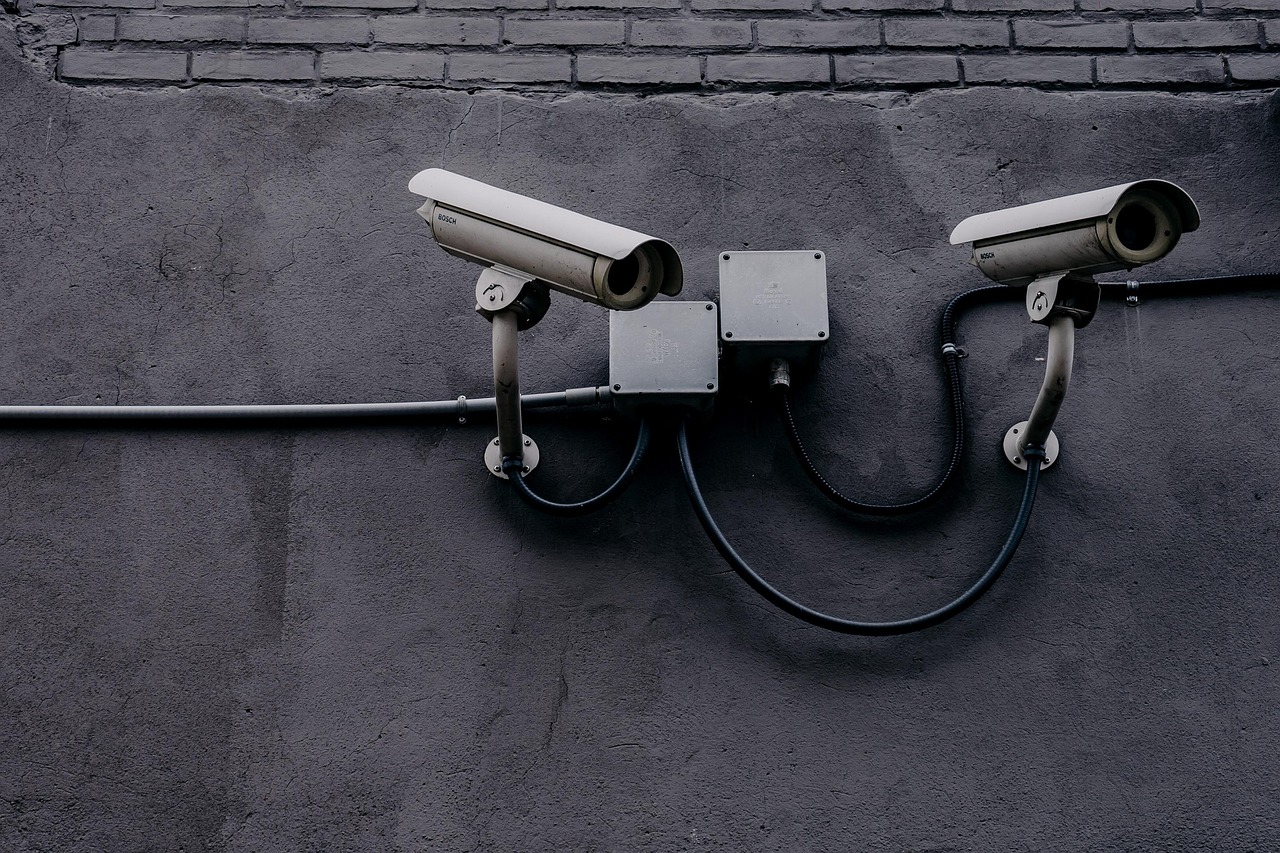
Casino security explained involves a multifaceted approach to preventing table game cheating and mitigating casino theft and loss. Surveillance techniques play a pivotal role in this effort, with dedicated professionals employing advanced tools and methods to monitor gameplay. These include high-resolution cameras strategically placed around gaming tables, capable of capturing detailed footage for subsequent analysis. Casino security personnel also utilize electronic monitoring systems that track player behavior patterns, flagging unusual activity for further investigation. For instance, software algorithms can detect suspicious betting trends or deviations from typical player habits.
Beyond technical surveillance, human observation remains crucial. Trained dealers and pit bosses are vigilant eyes on the floor, looking out for any signs of deception or irregular play. They’re trained to recognize subtle cues that might indicate cheating, such as unusual card handling or coordinated behavior among players. Regular staff training sessions on casino security 101 for beginners reinforce these protocols, ensuring everyone understands their role in maintaining fairness and protecting the house’s interests. The difference between casino security and surveillance lies in scope; while surveillance focuses on technical tools, security encompasses the broader strategic framework, including policy enforcement and public safety measures.
Data analytics play a growing role in casino security. Advanced data mining techniques help identify patterns indicative of cheating or organized crime involvement. For example, analyzing large datasets of player behavior can uncover coordinated betting schemes or collusion among players. This proactive approach allows casino security teams to take swift action, preventing potential losses before they occur. By integrating cutting-edge technology with human expertise, casinos are better equipped to navigate the complex landscape of dealing with casino theft and loss prevention, ensuring a safe and enjoyable experience for all patrons. Visit us at [casino surveillance techniques explained] for more insights into these critical security measures.
Implementing Effective Anti-Cheat Measures: Best Practices
Preventing table game cheating requires a multi-layered approach, with casino security at the forefront. Casino security explained as a dynamic field involves a combination of technology, staff training, and protocol. Effective anti-cheat measures must adapt to the evolving tactics of cheaters, who continually test the boundaries of casino security systems. One of the primary tools in a casino’s arsenal is the ability to spot suspicious activity. Trained dealers and surveillance staff learn to identify patterns, unusual bets, or behavior that deviates from normal play, serving as an early warning system.
How to spot suspicious activity in casinos involves observing player behavior, looking for inconsistencies, and noting unusual trends. Casino security cameras 101 dictates a comprehensive network of surveillance equipment that monitors table games continuously. High-resolution cameras with advanced analytics can detect unusual movements, track player interactions, and record every detail of gameplay. When casinos implement biometric security, they add an extra layer of protection. Biometric data, such as facial recognition or fingerprint scanning, can verify player identities and prevent impersonation, a common method of cheating.
The timing of biometric security implementation is crucial. It should be considered based on the risk profile of the game, the frequency of suspicious activity, and the casino’s overall security strategy. For instance, high-stakes games or those with complex betting structures might warrant biometric scrutiny from the outset. A case in point is the successful deployment of advanced security cameras and AI-driven analytics at a major casino, which reduced cheating incidents by 40% within the first quarter.
To fortify your casino’s defenses, consider giving us a call at [solutions for enhancing casino security]. Our team of experts can provide tailored strategies, implement cutting-edge technology, and conduct staff training programs to ensure your casino remains a fair and secure gaming environment. By staying ahead of cheaters and adopting best practices, casino operators can maintain the integrity of their games, protect their profits, and ultimately, enhance the player experience.
By understanding and implementing robust casino security measures, as explained through advanced surveillance techniques and best practices in anti-cheat strategies, gaming establishments can significantly deter and mitigate various forms of table game cheating. This comprehensive approach involves a combination of keen observation, technology integration, and strict protocols to ensure fairness and protect the integrity of games. Key takeaways include establishing multiple lines of defense, training staff to identify suspicious behavior, utilizing advanced surveillance systems, and promoting an ethical gaming culture. Moving forward, embracing these strategies not only strengthens casino security but also enhances player trust and ensures a vibrant, honest gaming environment for all.
Casino Security Explained:
Table game cheating is a constant concern for casinos, prompting robust security measures. The strategy involves:
1. Surveillance Techniques: High-res cameras and electronic monitoring track gameplay, with staff trained to recognize suspicious behaviors.
2. Data Analytics: Advanced algorithms uncover patterns indicative of cheating or organized crime.
3. Multi-Layered Approach: Combining technology (cameras, biometric security), staff training, and protocols to adapt to evolving cheater tactics.
4. Early Detection: Observing player behavior, identifying inconsistencies, and noting unusual trends to prevent fraud.
5. Biometric Security: Implementing facial recognition or fingerprint scanning for identity verification.
6. Risk-Based Implementation: Deploying biometric security based on game risk, suspicious activity frequency, and overall security strategy.
7. Proactive Prevention: Staying ahead of cheaters through best practices to maintain fair games, protect profits, and enhance player experience.