In the dynamic landscape of casino operations, ensuring fairness is paramount to maintaining player trust and the industry’s integrity. Preventing table game cheating is a critical aspect of Casino Security Explained, necessitating a deep dive into evolving tactics and technologies. Cheating methods range from straightforward card counting to more intricate signaling schemes, requiring sophisticated detection strategies. This article delves into the science behind these security measures, providing insights into how casinos worldwide safeguard their games and protect players’ investments. By exploring cutting-edge prevention techniques, we offer a comprehensive guide for both industry professionals and curious enthusiasts alike.
- Understanding Casino Security Measures
- Identifying Common Table Game Cheating Techniques
- Implementing Effective Countermeasures for Fair Play
Understanding Casino Security Measures
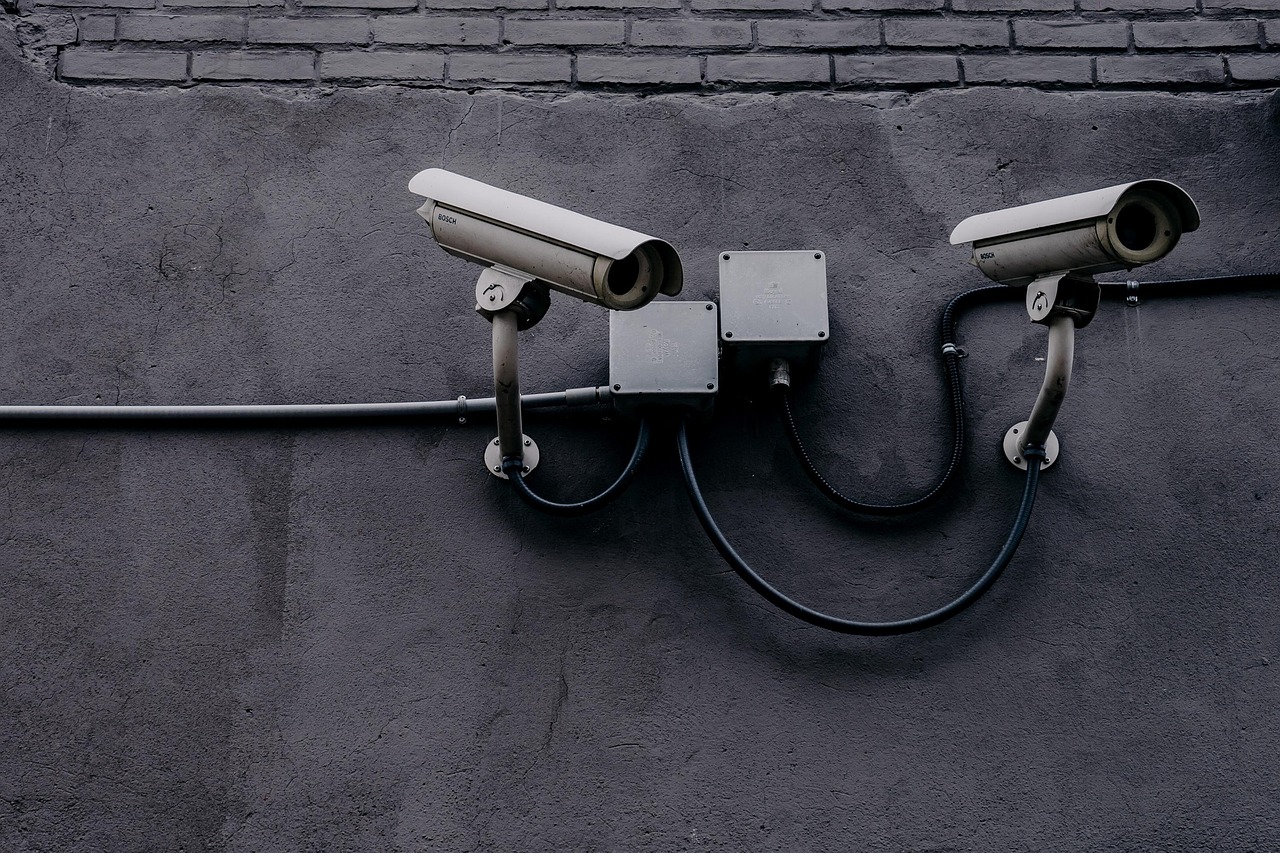
Casino security measures are an integral part of the gaming experience, often working behind the scenes to ensure fairness and protect both players and the casino itself. Understanding these security protocols is crucial for anyone interested in preventing table game cheating and maintaining the integrity of casinos. Casino security explained involves a multi-layered approach that includes surveillance, random checks, and advanced technology. For instance, many casinos employ high-resolution cameras with pan, tilt, and zoom capabilities, allowing security personnel to monitor games from multiple angles simultaneously. This real-time surveillance helps identify suspicious behavior or any deviations from standard play.
Troubleshooting casino robbery scenarios requires a proactive approach. Casino security teams regularly conduct training simulations to prepare for various situations, from card counting schemes to physical theft. When do you need casino security? The answer lies in identifying high-risk areas and activities. High-stakes games, slot machines with cash payouts, and popular table games attract more attention from potential cheaters or thieves. Therefore, these areas typically have enhanced security measures, including dedicated surveillance teams and advanced alarm systems. For example, some casinos implement biometric security, such as facial recognition technology, to verify players’ identities and prevent unauthorized access to high-value areas. This cutting-edge approach ensures that only authorized personnel can enter restricted zones.
How does casino security work? It’s a complex process involving both physical and digital components. Physical security measures include secure entry points, surveillance cameras, and well-trained staff who can quickly respond to any incidents. Digital security focuses on encryption technologies, secure data storage, and sophisticated software that detects patterns of unusual activity. Casinos should also have clear policies regarding player conduct, with regular reminders posted around the gaming floor. By combining these strategies, casinos can create an environment that discourages cheating and ensures a fair playing field for all patrons. When should casinos implement biometric security? This decision depends on several factors, including the casino’s location, game offerings, and historical data on security breaches. As technology advances, more casinos are finding it beneficial to incorporate biometric security as part of their overall safety strategy, particularly in high-risk areas.
To stay ahead of potential threats, casinos must continually update their security protocols and keep up with emerging technologies used by cheaters. For instance, advancements in card marking and skimming devices require more sophisticated countermeasures, such as magnetic strip detectors and advanced card shufflers. By staying informed about these developments, casino security teams can proactively troubleshoot and implement effective solutions. Find us at [Your Brand/Website] for the latest insights into casino security explained and learn how to ensure a safe and enjoyable gaming experience for all.
Identifying Common Table Game Cheating Techniques
Cheating in table games remains a persistent challenge for casino security teams. From marked cards to advantage-playing systems, identifying and mitigating these techniques is crucial to maintaining fairness and protecting casino revenue. Casino security explained as a dynamic field, continuously evolving alongside cheaters’ methods. By understanding the most common cheating techniques, casino operators can implement targeted strategies using technology for enhanced casino security.
One of the classic methods involves marked cards, where a cheater subtly alters playing cards with invisible ink or subtle markings to predict the next card. This requires high skill and a keen eye, but advanced technology offers a solution. Digital card shufflers, for instance, randomize cards extensively, making it far harder for cheaters to identify patterns. Additionally, cameras with advanced image recognition software can detect unusual behavior or card manipulation in real time, alerting security personnel promptly.
Another technique is collusion, where players work together to gain an unfair advantage. This often involves pre-arranged signals, secret communications, or even physical contact to share information. Casino security can counter this by employing discreet surveillance technology, such as hidden cameras and wireless microphones, to monitor player interactions. Random table assignments and dynamic dealer rotations also disrupt established collusion networks.
Preventing gambling-related crime in casinos requires a multi-faceted approach. Casino operators should invest in training staff to recognize suspicious behavior and communicate effectively with security. Using technology for enhanced casino security, like facial recognition systems for player tracking and access control, can further deter cheaters and facilitate swift response to potential incidents. By combining these strategies, casinos can significantly improve customer safety and protect their interests. For more insights and expert advice tailored to your establishment, visit us at why are slot machines locked.
Implementing Effective Countermeasures for Fair Play
Preventing table game cheating requires a multi-layered approach that goes beyond basic rules and regulations. Casino security explained as a comprehensive system involves sophisticated countermeasures designed to ensure fair play. A critical component is integrating advanced technology with well-trained personnel. For instance, many casinos employ electronic shuffle machines for card games, eliminating the human element susceptible to manipulation. Additionally, digital table monitors allow real-time tracking of game outcomes, immediately flagging any anomalies.
Surveillance plays a significant role in casino security, but it differs from security in its focus. While security personnel patrol the floor for suspicious behavior, surveillance specialists use closed-circuit television (CCTV) systems and data analytics to monitor game patterns and identify potential cheaters. This difference underscores the distinction between proactive prevention and reactive observation. Reporting gambling addiction in casinos is also crucial; early detection can prevent individuals from exploiting loopholes or employing sophisticated cheating methods.
Comparing casino security globally reveals varying degrees of sophistication and rigor. Countries with stringent gambling regulations often lead in implementing cutting-edge security measures, reflecting a commitment to protecting both players and the integrity of games. For instance, Las Vegas casinos are renowned for their robust security protocols, featuring state-of-the-art surveillance technology and tight procedures. Conversely, less regulated markets may lag in these areas, emphasizing the need for global standardization.
Understanding how casino security works exactly involves a holistic approach where each element contributes to maintaining game fairness. By leveraging advanced technology, rigorous training, and comprehensive surveillance, casinos can mitigate risks effectively. Find us at [NAP/brand] for more insights on the latest trends in casino security and stay informed about best practices to ensure an honest gaming environment for all.
By delving into the intricate world of casino security explained, we’ve exposed the measures that safeguard fair play at gaming tables. From understanding robust security protocols to identifying sophisticated cheating techniques, this article has equipped readers with a comprehensive toolkit. Key insights include recognizing telltale signs of manipulation and employing countermeasures that deter dishonest actions. Casino Security Explained offers practical guidance on implementing effective strategies to maintain integrity in table games, ensuring an enjoyable experience for all participants. Moving forward, staying vigilant and adopting these precautions is paramount to preserving the authentic spirit of gaming within the casino environment.
1. Casino Security Explained: Multi-layered approach combining surveillance, technology, and training to prevent table game cheating and protect players/casinos.
2. Surveillance Techniques: High-res cameras with pan/tilt/zoom, real-time monitoring, biometric security (facial recognition), and advanced alarm systems for high-risk areas.
3. Technological Countermeasures: Digital card shufflers, magnetic strip detectors, image recognition software to detect marked cards and unusual behavior.
4. Collation Detection: Discreet surveillance technology (hidden cameras, microphones) and random table assignments to disrupt collusion networks.
5. Global Security Standards: Stringent regulations in some countries drive cutting-edge security measures; Las Vegas known for robust protocols, while less regulated markets lag.
6. Comprehensive Approach: Integrating advanced tech, well-trained personnel, and rigorous procedures ensures fair play and protects gaming integrity.