In the dynamic world of casino entertainment, maintaining fairness and integrity is paramount. Preventing table game cheating is a critical aspect of casino security explained, ensuring that every player enjoys a square and secure gaming experience. While sophisticated cheating methods continue to evolve, a deep dive into the strategies and countermeasures reveals a robust arsenal for casino operators to protect their interests and patrons. This article provides an in-depth exploration of modern cheating techniques, their implications, and the cutting-edge security protocols that safeguard the integrity of table games, reinforcing the core values of a trusted gaming environment.
- Understanding Casino Security Measures
- Identifying Common Cheating Techniques
- Implementing Effective Prevention Strategies
Understanding Casino Security Measures
Casino security is a multifaceted discipline designed to safeguard the integrity of table games and protect both casinos and their patrons from fraud and manipulation. It involves a combination of physical, procedural, and technological solutions for enhancing casino security. Casino security measures are continually evolving in response to emerging threats, leveraging technology to create layers of protection that deter and detect cheating attempts. For instance, advanced surveillance systems equipped with AI capabilities can analyze player behavior in real-time, flagging suspicious activities like card counting or collusion.
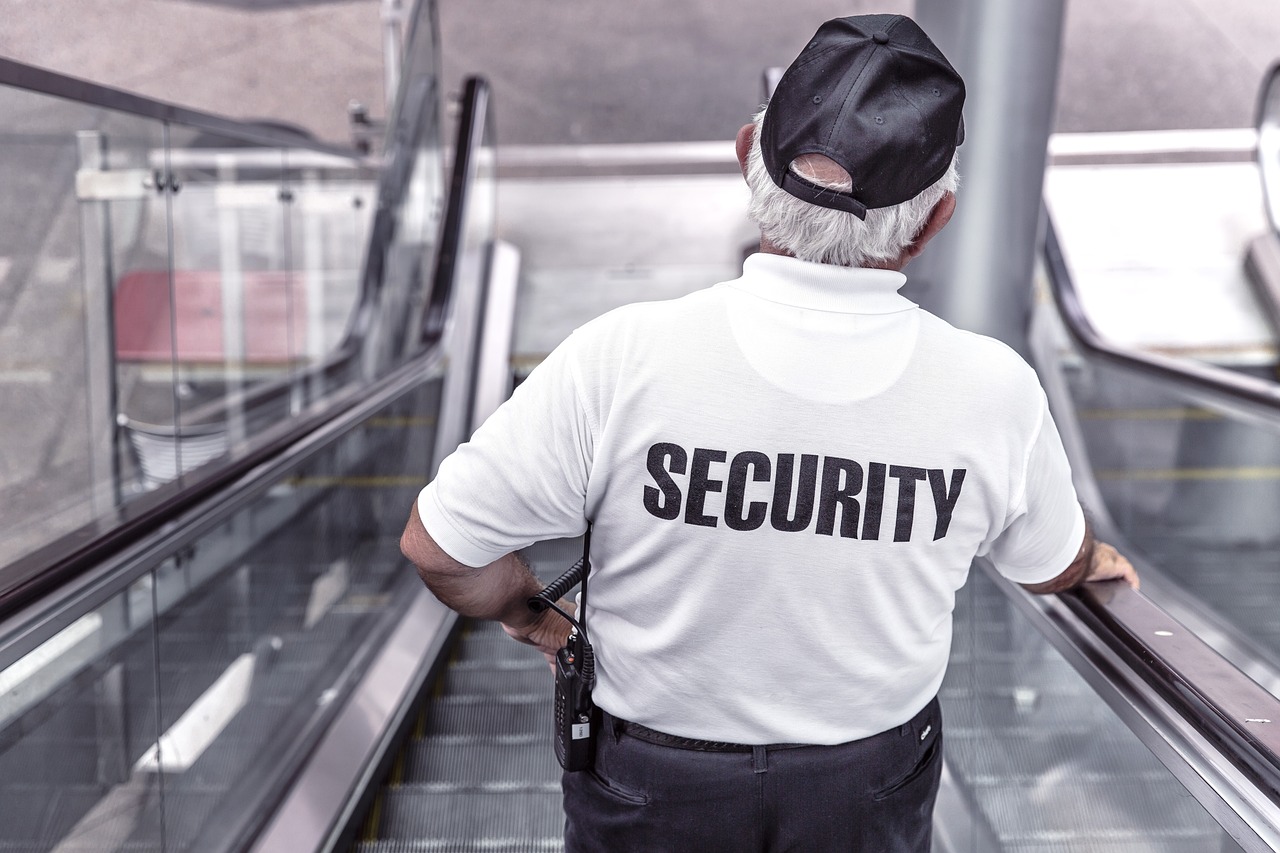
Physical security plays a crucial role in casino security explained. This includes the placement of high-definition cameras at strategic points around gaming tables, ensuring every angle is covered. Trained security personnel patrol the floor, providing a visible deterrent to potential cheaters. Access control measures, such as biometric scanners and secure entry systems, limit access to restricted areas, minimizing opportunities for internal fraud. Additionally, casinos employ RFID technology in playing cards and chips to track their movement on the gaming table, preventing counterfeiting and unauthorized exchanges.
Beyond these technical and human-based strategies, effective casino security relies on robust procedures and protocols. This encompasses everything from rigorous staff vetting processes to ensure only trustworthy individuals are hired, to detailed game rules and regulations that all players must adhere to. Regular security audits and vulnerability assessments help identify weaknesses in the system, leading to necessary updates and improvements. For example, implementing emergency response plans in casinos enables swift action during suspicious incidents, enhancing overall security. By combining these diverse approaches, casinos can maintain a secure environment, ensuring fair play and fostering public trust.
To further bolster casino security, institutions are increasingly using technology for enhanced protection. Biometric identification systems, facial recognition software, and advanced data analytics provide more sophisticated means of monitoring activities. These technologies allow for the detection of patterns indicative of cheating or unusual behavior, enabling prompt intervention. As the gaming industry continues to embrace digital innovation, solutions for enhancing casino security will undoubtedly evolve, creating a safer and more secure environment for players and operators alike.
Identifying Common Cheating Techniques
Identifying common cheating techniques is a critical aspect of casino security explained. From marked cards to organized crime syndicates, cheaters employ sophisticated methods to gain an unfair advantage. For instance, some criminals use specialized devices like hidden cameras or laser pointers to aid in card counting, while others manipulate dice or use magnetic chips to alter game outcomes. According to recent data, slot machine fraud, including the use of skimming devices and software glitches, accounts for a significant portion of gambling-related losses in casinos worldwide.
Access control is a cornerstone of casino security training programs. Limiting access to high-stakes games and implementing stringent identification checks can deter potential cheaters. Casinos should also invest in advanced surveillance technology, including high-resolution cameras with AI-driven analytics, to monitor gameplay and identify suspicious behavior. Regular staff training on the latest cheating techniques and countermeasures is essential, ensuring that casino security remains proactive and adaptable.
The importance of access control cannot be overstated; it’s a key layer in the defense against cheating. Casino security personnel must be vigilant, constantly evaluating floor dynamics and player behavior. By combining robust access controls with advanced technology and staff proficiency, casinos can significantly reduce the risk of gambling-related crime. For instance, requiring players to register their devices or implementing biometric authentication for high-value bets adds an extra layer of protection.
Ultimately, casino security is a dynamic field that requires constant evolution. Staying ahead of cheaters demands a multifaceted approach, combining technological advancements, staff training, and strict access controls. By embracing these strategies, casinos can maintain fairness, protect their interests, and ensure an enjoyable experience for all patrons. Find us at preventing gambling-related crime in casinos to stay informed on the latest security measures and best practices.
Implementing Effective Prevention Strategies
Implementing effective prevention strategies is paramount for casino security explained, especially when addressing table game cheating. Casinos should adopt a multi-faceted approach, leveraging both technological advancements and trained personnel. Biometric security, such as facial recognition or fingerprint scanning, can be a powerful tool. When should casinos implement biometric security? Typically, high-stakes games or areas with a history of suspicious activity. These technologies enhance accuracy and efficiency in player tracking and verification.
Casino security cameras 101 involve strategic placement for maximum coverage. High-definition cameras with advanced analytics can detect unusual patterns or behaviors, alerting dealers and security personnel promptly. Regular training for staff is vital; they must recognize subtle signs of cheating, from card counting to marked cards. What every gambler should know about casino security is that their vigilance is a key defense. Reporting suspicious activity discreetly contributes to a safer gaming environment.
Beyond technology, human oversight remains critical. Trained dealers and floor managers play a significant role in preventing and addressing cheating attempts. Regular equipment inspections, including playing cards and chips, help identify potential manipulation. Casinos should also implement dynamic game variations, mixing up seating arrangements to disrupt organized cheating rings. By combining these strategies, casinos can create an impenetrable defense against table game cheating, ensuring fairness for all players. Find us at preventing gambling-related crime in casinos for more insights tailored to industry professionals.
By understanding casino security measures, identifying common cheating techniques, and implementing effective prevention strategies, operators can significantly enhance their casino security Explained. Key takeaways include the importance of vigilant surveillance, technology integration, and staff training. Implementing robust security protocols not only safeguards the integrity of games but also ensures a fair and enjoyable experience for all patrons. Next steps involve staying updated on evolving cheating methods and continuously refining prevention strategies, fostering an environment where trust and integrity thrive.
Casino Security Explained:
– Multifaceted Discipline: Safeguards integrity of table games, protects casinos, patrons from fraud and manipulation through physical, procedural, and technological solutions.
– Evolving Threats: Technology creates layers of protection to deter and detect cheating attempts, using AI-equipped surveillance systems for real-time player behavior analysis.
– Physical Security: High-definition cameras, biometric scanners, secure entry systems prevent internal fraud and counterfeiting with RFID technology in cards and chips.
– Procedural Strategies: Robust staff vetting, detailed game rules, regular security audits, emergency response plans maintain a secure environment.
– Technological Advancements: Biometric identification, facial recognition, data analytics enhance monitoring, allowing for prompt intervention against cheating techniques like card counting and dice manipulation.
– Access Control: Limiting access to high-stakes games, stringent ID checks deter cheaters; combining this with advanced surveillance and staff training ensures fairness in casinos.