In the realm of casino entertainment, ensuring fair play is paramount to maintaining integrity and player trust. Preventing table game cheating is a critical aspect of Casino Security Explained, as it safeguards the interests of both operators and patrons alike. Despite advancements in technology and security measures, deceptive practices persist, leaving players vulnerable to manipulation. This article delves into the intricate strategies employed by cheaters, exposing common tactics and vulnerabilities. We provide an in-depth analysis of casino security protocols, offering valuable insights for both seasoned professionals and curious enthusiasts. By understanding these methods, we empower ourselves to navigate games with enhanced awareness, fostering a safer and more secure gaming environment.
- Casino Security Explained: Identifying Common Table Game Cheating Methods
- Preventive Measures: Training Staff for Ethical Gaming Environments
- Advanced Technology: Tools for Uncovering Discrepancies in Live Games
Casino Security Explained: Identifying Common Table Game Cheating Methods
Casinos employ sophisticated casino security measures to prevent table game cheating, ensuring fairness and protecting their interests. Identifying common cheating methods is a critical aspect of casino security explained. From marked cards to complex card counting systems, con artists have devised numerous ways to gain an unfair advantage. For instance, some cheaters use specialized devices that detect invisible markers in playing cards, while others employ electronic aids for advanced counting techniques. To combat these strategies, casinos invest heavily in training staff to recognize suspicious behavior and implement cutting-edge technology like biometric security when necessary.
Biometric security, including facial recognition and fingerprint scanning, plays a pivotal role in modern casino security. When should casinos consider implementing such measures? The decision is data-driven, focusing on high-stakes games or areas with known cheating hotspots. For example, a casino may opt for biometric access control to exclusive VIP tables where players’ identities are already well-known, enhancing the overall casino security experience. Additionally, what every gambler should know about casino security involves being vigilant and reporting any unusual activity.
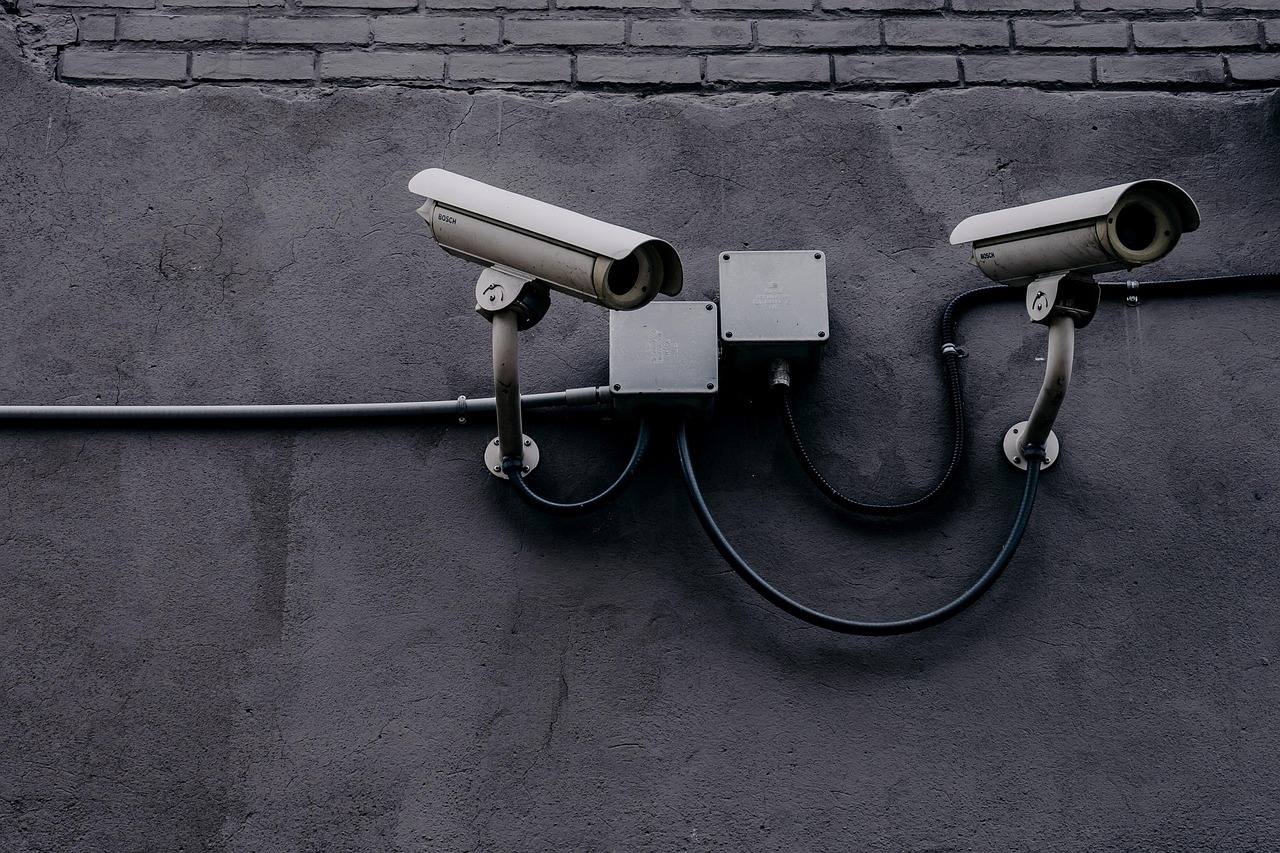
Access control is another critical component of casino security. Limiting access to restricted areas, ensuring only authorized personnel can enter certain rooms, and employing closed-circuit television (CCTV) surveillance are standard practices. These measures deter potential cheaters and enable swift action if cheating does occur. Furthermore, casinos should periodically review their policies and adapt to evolving cheating techniques by giving us a call at preventing gambling-related crime in casinos for expert advice tailored to their specific needs. Regular security audits and staff training sessions reinforce the importance of access control, serving as a powerful deterrent against table game cheating.
Preventive Measures: Training Staff for Ethical Gaming Environments
Casino security, as a robust defense against cheating and criminal activities, hinges on thorough staff training. Creating an ethical gaming environment involves equipping employees with the knowledge to recognize and prevent various forms of deception, from slot machine tampering to money laundering schemes. This proactive approach is essential in how to improve casino customer safety and maintain the integrity of games.
Training programs should cover a spectrum of scenarios, focusing on identifying suspicious behaviors such as unusual betting patterns or coordinated cheating attempts. For instance, dealers should be taught to look out for multiple players using identical strategies or making unusually large bets at once. Technicians assigned to fix slot machine tampering issues must understand the intricacies of modern gaming machines, enabling them to spot any modifications or alterations that could facilitate cheating. Regular refresher courses and simulations can significantly enhance staff alertness, ensuring they remain vigilant against evolving cheating tactics.
Moreover, casino security protocols should emphasize reporting mechanisms that encourage employees to document and communicate suspicious activities without fear of retaliation. A culture of open communication fosters a collaborative environment where everyone takes responsibility for maintaining fairness in gaming. By integrating these practices into their operations, casinos can effectively deter would-be cheaters and address issues like money laundering at casinos, ensuring a safe and enjoyable experience for all patrons. Visit us to learn more about best practices in casino security and stay ahead of emerging threats.
Advanced Technology: Tools for Uncovering Discrepancies in Live Games
In the ever-evolving landscape of casino security, advanced technology plays a pivotal role in preventing table game cheating. Modern tools equipped with artificial intelligence and machine learning capabilities can uncover subtle discrepancies that would otherwise go unnoticed by human dealers or pit bosses. These innovations are transforming Casino Security 101 for beginners and seasoned professionals alike, offering robust defenses against sophisticated cheaters.
One such tool involves employing former law enforcement officers for casino security roles. Their keen observational skills, honed through years of investigating fraud and criminal activities, are invaluable in identifying suspicious patterns at gaming tables. For instance, facial recognition software, integrated with live streaming video feeds from table games, can alert security personnel to known cheaters or unusual behavior. Additionally, advanced analytics platforms analyze vast amounts of game data to identify statistically unlikely sequences that could indicate cheating. According to recent casino security statistics and trends, these technologies have led to a significant decrease in successful cheater attempts over the past few years.
Moreover, real-time transaction monitoring systems track betting patterns, allowing casino security teams to flag suspicious activity promptly. These tools can detect unusual betting behaviors or large-scale manipulation of odds, enabling swift intervention. For example, a sudden surge in bets on a single number or pattern could trigger an alert, prompting security personnel to investigate further. By combining human expertise with advanced technology, casinos can create an impenetrable fortress against cheating attempts.
To enhance casino security even further, consider implementing a comprehensive training program that includes regular updates on emerging cheater tactics and countermeasures. Collaborate with industry experts and stay abreast of the latest developments in casino security technology. Remember that, as the gaming industry evolves, so must the methods to protect it. By embracing these advanced tools and strategies, casinos can ensure fairness, maintain integrity, and provide a seamless experience for their patrons. Find us at [solutions for enhancing casino security] for more insights into fortifying your establishment against cheating attempts.
In conclusion, Casino Security Explained offers a comprehensive strategy for preventing table game cheating, employing insights from casino security experts, staff training, and advanced technology. Key takeaways include the importance of staff vigilance, regular training on ethical gaming practices, and leveraging technological tools to detect anomalies in live games. By integrating these measures, casinos can create an impenetrable defense against cheating, ensuring a fair gaming environment for all patrons while upholding the integrity of their operations. This article serves as a valuable resource for professionals aiming to fortify their casino security protocols, solidifying their authority on the subject.
Casino Security Explained: Protecting Against Cheating in the Modern Era
Casinos employ sophisticated security measures, combining advanced technology and staff training, to prevent table game cheating. Key strategies include:
* Biometric Security: Facial recognition and fingerprint scanning for VIP tables and high-stakes games.
* Access Control: Limiting access to restricted areas, using CCTV surveillance, and implementing secure entry systems.
* Advanced Technology: Utilizing AI and machine learning to detect subtle cheating patterns, facial recognition, and analytics platforms to analyze game data.
* Staff Training: Equipping employees with knowledge to identify suspicious behaviors and report them without fear of retaliation.
By integrating these measures, casinos create a robust defense against cheating, money laundering, and other criminal activities, ensuring a fair and safe gaming environment.