In the realm of casino operations, addressing problem gambling is not merely a social issue but a critical aspect of casino security explained. The impact of compulsive gambling on individuals, families, and society at large is profound, and casinos play a pivotal role in both prevention and intervention. This comprehensive guide delves into the complexities of identifying and managing problem gamblers, offering casino security professionals a strategic toolkit to ensure a safe and responsible gaming environment. By understanding the nuances of this challenge, we can enhance our response, ultimately fostering a healthier and more secure gaming culture.
- Identifying Problem Gamblers: Casino Security Explained
- Understanding Behavioral Patterns: Key to Intervention
- Implementing Effective Safety Measures: Protecting Both Gamblers and Casinos
Identifying Problem Gamblers: Casino Security Explained
Casino security plays a pivotal role in identifying and addressing problem gamblers, ensuring the well-being of both the individual and the casino’s integrity. Problem gamblers often exhibit distinctive patterns and behaviors that, with thorough casino security explained, can be readily recognized. This involves a multi-faceted approach, from monitoring player activity to understanding red flags such as sudden changes in betting patterns, frequent large withdrawals, or unusual requests for cash advances. By training casino staff to spot these signs, security measures can be proactively implemented.
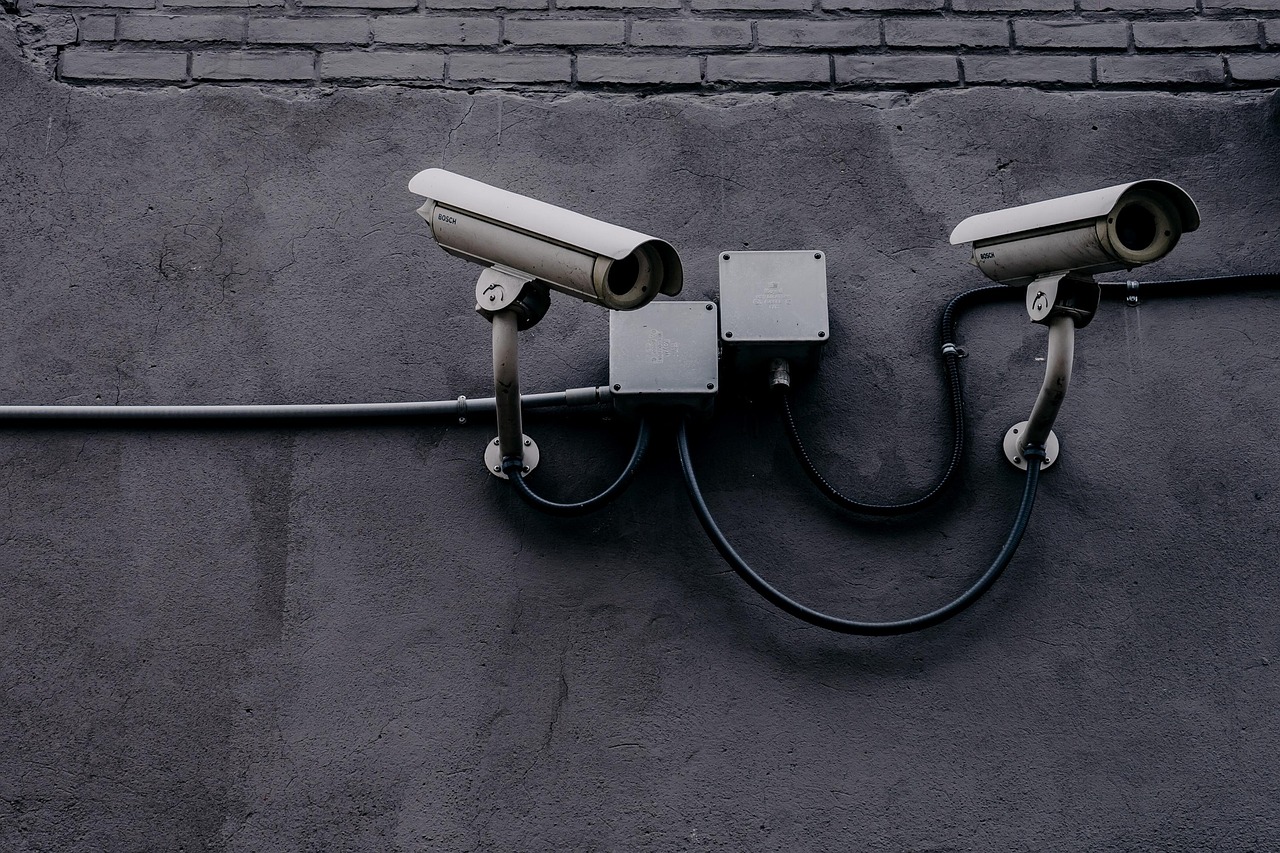
Effective casino security explained involves leveraging advanced surveillance technology, such as high-resolution cameras, thermal imaging, and AI-driven analytics, to track and analyze player behavior. These tools enable security personnel to detect irregular activities, including collusion, cheating, or signs of compulsive gambling. Moreover, integrating what every gambler should know about casino security into the fabric of casino operations empowers both staff and patrons. Gamers can be educated on responsible gaming practices, recognizing their limits, and understanding the potential risks associated with excessive wagering.
Solving gambling fraud is another critical aspect of casino security. Fraudulent activities can range from identity theft and document fraud to sophisticated betting schemes. Casino security personnel must stay abreast of the latest fraud techniques, leveraging their expertise to counter these threats. Solutions for enhancing casino security include implementing robust identity verification processes, regular background checks, and continuous training for staff to remain vigilant. For instance, some casinos employ biometric authentication, ensuring that players’ identities are confirmed through unique physical characteristics.
In light of these considerations, it’s crucial to differentiate casino security from gambling fraud. While both are paramount to a safe gaming environment, casino security focuses on protecting patrons and the casino’s assets, while gambling fraud involves criminal activities aimed at defrauding the casino. To improve casino customer safety, give us a call at [your contact information] for expert guidance on implementing comprehensive security measures tailored to your establishment’s needs.
Understanding Behavioral Patterns: Key to Intervention
Understanding behavioral patterns is a critical component of casino security explained as it enables staff to identify signs of problem gambling early on. Casino security professionals must be adept at recognizing subtle changes in patron behavior, such as increased betting amounts, frequent trips to the ATM, or unusual financial transactions. By understanding these patterns, casino security can proactively intervene and offer assistance before issues escalate. For instance, a VIP protection strategy might involve close monitoring of high-value patrons, especially during high-risk periods like holidays or special events.
When do you need casino security? Certain situations warrant an immediate response. Suspicious activities, such as large cash withdrawals or unusual betting patterns, should trigger alert protocols. Casino security statistics and trends indicate that problem gambling can lead to extreme behaviors, including theft or violence. Therefore, a proactive approach is essential to ensure VIP protection in casinos and maintain a safe environment for all patrons. Regular staff training on behavioral recognition and de-escalation techniques is crucial to effectively manage these situations.
Casino security professionals should also be aware of the evolving methods used by problem gamblers. For example, the rise of online gambling has led to new challenges, including money laundering through virtual transactions. To counter these trends, casino security must adapt and incorporate advanced surveillance technologies and data analytics. By analyzing patron behavior patterns over time, casinos can identify potential issues more accurately and efficiently. Furthermore, collaborating with external agencies and sharing intelligence can help in understanding broader gambling-related crime statistics and developing effective prevention strategies.
To ensure the best outcomes, consider visiting us at preventing gambling-related crime in casinos. Our comprehensive approach integrates advanced technology, staff training, and data analysis to create a robust security framework. By understanding not just what to look for but also how to respond, casino security can play a vital role in supporting problem gamblers while safeguarding the interests of the establishment.
Implementing Effective Safety Measures: Protecting Both Gamblers and Casinos
Casino security is a multifaceted discipline, especially when addressing the complex issue of problem gambling. Protecting both gamblers and the integrity of the casino requires a robust strategy that goes beyond basic surveillance. Effective safety measures should be implemented to prevent and mitigate risks associated with problematic gambling behaviors. One crucial aspect is employing former law enforcement officers for casino security roles. These professionals bring a wealth of experience in risk assessment, crisis management, and understanding human behavior, which are vital for identifying and addressing potential issues.
Former law enforcement officers can facilitate effective communication strategies within the casino environment. They train staff to recognize signs of problem gambling, such as unusual betting patterns or persistent losses, and to approach these individuals with empathy and professionalism. Regular casino security training programs, including workshops and simulations, ensure that staff are up-to-date with the latest techniques for handling problematic gamblers. These programs cover a range of topics, from psychological first aid to de-escalation techniques, empowering casino security personnel to make a real difference.
Additionally, why are slot machines locked? This question highlights another critical security measure. Slot machines, being the most popular gambling attractions, must be secured to prevent tampering or fraud. Locked machines with access controls ensure the integrity of the games and protect both the casino and its patrons. Implementing such measures, combined with ongoing staff training, creates a safer gambling environment. Data from leading casinos shows a significant reduction in gambling-related incidents where security personnel were equipped with the right tools and training, demonstrating the value of a well-rounded casino security approach.
In addressing problem gamblers from a casino security standpoint, this article has underscored several critical insights. First, Casino Security Explained emphasizes the importance of identifying high-risk individuals early through behavioral analysis, as understanding gambling patterns is key to intervention. Second, implementing robust safety measures protects both gamblers and casinos, ensuring a secure environment. The most significant takeaway is that proactive strategies, combined with a deep understanding of human behavior, are essential in mitigating problem gambling’s impact. By adopting these measures, casino security professionals can create a safer, more responsible gaming experience while fostering a positive and controlled environment.
Casino Security Explained:
Casino security plays a vital role in identifying and addressing problem gamblers, protecting both individuals and the casino’s integrity. It involves:
– Monitoring & Recognizing Patterns: Tracking player behavior, identifying red flags like sudden betting changes, large withdrawals, or unusual requests.
– Advanced Surveillance Tech: Utilizing high-res cameras, thermal imaging, AI analytics, and biometric authentication to detect irregular activities.
– Staff Training & Education: Equipping staff to spot signs of compulsive gambling, recognize responsible gaming practices, and understand potential risks.
– Fraud Prevention: Implementing robust identity verification, regular background checks, and continuous staff training to counter fraud techniques.
– Proactive Intervention: Developing VIP protection strategies, especially during high-risk periods, to ensure safe gaming environments.
– Data-Driven Approach: Analyzing patron behavior patterns over time to identify issues efficiently and collaborate with external agencies for broader crime statistics.
– Well-Rounded Strategy: Employing former law enforcement for crisis management, training staff in psychological first aid and de-escalation, securing slot machines, and continuous program updates.