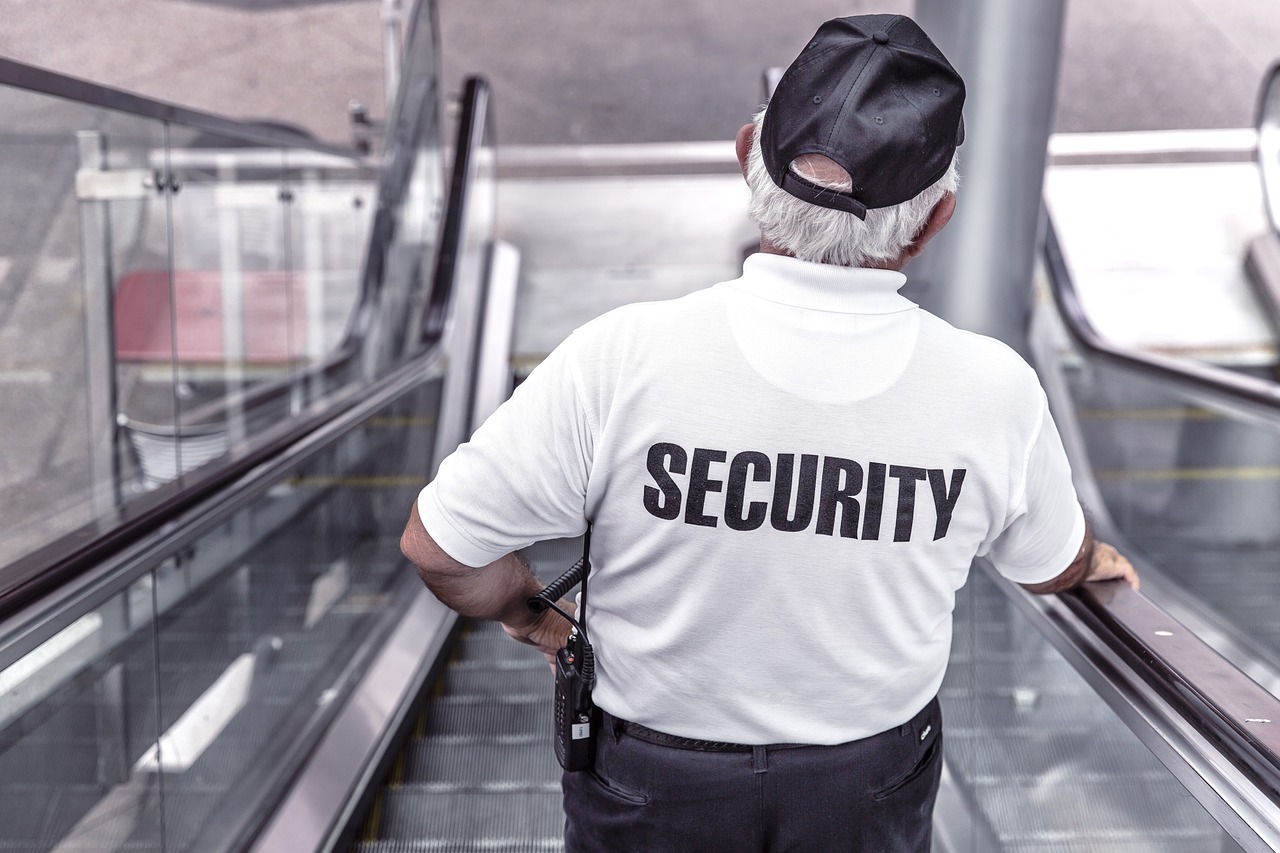
In the realm of casino operations, addressing problem gambling is not merely a matter of social responsibility; it’s a critical component of casino security explained. The impact of compulsive gambling can reverberate throughout a casino’s operations, from financial losses to potential safety risks. Understanding and effectively dealing with problem gamblers is essential for maintaining a safe, secure, and profitable gaming environment. This article delves into the complexities of this issue, offering insights tailored for security professionals aiming to mitigate the challenges posed by problem gambling while upholding the integrity of their facility.
- Identifying Red Flags: Casino Security Explained
- Strategies for Intervention: Safeguarding at-risk Individuals
- Preventive Measures: Securing the Gaming Environment
Identifying Red Flags: Casino Security Explained
Casino security plays a pivotal role in identifying and addressing problem gamblers, ensuring the safety and well-being of both patrons and the casino’s operations. Casino Security Explained involves a multi-layered approach that combines observation, technology, and policy. Security personnel are trained to recognize subtle behavioral changes and financial patterns indicative of gambling addiction. For instance, frequent trips to the ATM, sudden changes in spending habits, or unusually large bets can be red flags. By understanding how does casino security work, staff can proactively intervene before issues escalate.
A crucial aspect of this process is the strategic placement and locking of slot machines. Slot machines are often locked for brief periods, 1-3 times per day, to deter excessive play and allow security teams to monitor high-risk individuals more closely. This practice, coupled with continuous surveillance, enables casino staff to report gambling addiction in casinos promptly. For example, a study by the National Council on Problem Gambling found that early intervention significantly reduces the long-term costs associated with problem gambling.
In addition to these measures, casino security training programs emphasize the importance of empathy and professional communication when dealing with problem gamblers. Security personnel are equipped to de-escalate tense situations and guide patrons towards resources like counseling services. By visiting us at casino security training programs, professionals can stay updated on the latest research, techniques, and best practices in identifying and managing problem gamblers. This holistic approach ensures that casino security does not merely enforce rules but also contributes to the overall well-being of the gaming community.
Strategies for Intervention: Safeguarding at-risk Individuals
Dealing with problem gamblers from a casino security standpoint requires a multifaceted approach, particularly when focusing on safeguarding at-risk individuals. Casino security explained as a proactive measure involves implementing best practices for casino floor safety that extend beyond typical surveillance. It entails recognizing behavioral patterns indicative of gambling addiction and taking swift action to protect vulnerable patrons. For instance, casino security personnel should be trained to identify excessive betting patterns, sudden changes in behavior, or signs of distress associated with gambling losses.
One effective strategy involves utilizing advanced technology and equipment employed by casino security teams, such as body-worn cameras and enhanced CCTV systems. These tools facilitate closer monitoring of high-risk individuals while maintaining a balance between privacy and public safety. For example, a casino’s security team might use facial recognition software to track problem gamblers across the floor, allowing for swift intervention when necessary. Additionally, casinos should establish clear communication channels with at-risk patrons, offering resources and support through dedicated counseling services or self-exclusion programs.
In implementing these measures, it’s crucial to collaborate closely with mental health professionals and addiction specialists. Casino security personnel play a vital role in recognizing the signs of crisis and providing de-escalation strategies, but long-term recovery often requires specialized care. Effective communication strategies for casino security, as practiced by leading establishments, involve discreetly approaching problem gamblers, offering assistance, and guiding them towards appropriate support networks. By combining cutting-edge technology with empathetic intervention, casinos can create a safer environment not only for their patrons but also for those struggling with gambling addiction.
Preventive Measures: Securing the Gaming Environment
Casino security is a multifaceted approach, especially when addressing the challenge of problem gambling. Preventive measures are essential to securing the gaming environment and mitigating risks associated with addictive behaviors. One critical strategy involves employing former law enforcement officers for casino security roles. Their expertise in risk assessment, crisis management, and understanding human behavior can significantly enhance a casino’s ability to identify and assist at-risk individuals. For instance, former police officers can be trained to recognize signs of problem gambling, such as frequent visits, large bets, or unusual behavioral patterns, allowing for prompt intervention.
Access control is another vital aspect of casino security explained. Restricting access to gaming areas, especially high-stakes tables, can deter problem gamblers from escalating their involvement. Casinos should implement robust identity verification processes, including the use of government-issued IDs, to monitor and track patron behavior. This data can be analyzed to identify suspicious activities and potential gambling addiction. According to recent studies, casinos that prioritize access control and regular security patrols see a notable decrease in gambling-related incidents and excessive spending by problem gamblers.
Furthermore, establishing clear reporting mechanisms for gambling addiction is crucial. Casinos should train staff to recognize signs of addiction and encourage patrons to seek help. A collaborative approach with local support groups and mental health professionals can facilitate effective intervention. By integrating these measures, casinos can create a safer, more supportive environment while promoting responsible gaming practices. For instance, some leading casinos have implemented dedicated "gambler assistance" booths, where trained staff provide resources and connect problem gamblers with counseling services. This proactive approach not only enhances casino security but also contributes to the overall well-being of at-risk individuals.
If you’re concerned about gambling addiction within your establishment, give us a call to explore tailored solutions and ensure a secure gaming experience for all patrons.
In conclusion, addressing problem gambling from a casino security standpoint involves a multi-faceted approach. Casino Security Explained provides critical insights into identifying at-risk individuals through recognizing red flags, implementing effective intervention strategies to safeguard vulnerable patrons, and adopting preventive measures to secure the gaming environment. Key takeaways include the importance of proactive surveillance, staff training, and technology integration. By integrating these measures, casinos can enhance their ability to recognize and support problem gamblers, fostering a safer and more responsible gaming experience for all. Moving forward, security professionals should prioritize continuous education, adapt to evolving trends, and collaborate with gaming industry stakeholders to maintain the highest standards of protection.
Casino Security Explained: A multi-layered approach combines observation, technology, and policy to identify and address problem gambling. Key strategies include:
1. Training Personnel: Recognize subtle behavioral changes and financial patterns indicative of addiction.
2. Strategic Locking: Periodically lock slot machines to deter excessive play and monitor high-risk individuals.
3. Continuous Surveillance: Utilize technology like CCTV and facial recognition software for closer monitoring.
4. Empathetic Communication: Equip security with de-escalation techniques and resources for counseling services.
5. Access Control: Implement robust identity verification and restrict access to high-stakes areas.
6. Reporting Mechanisms: Establish clear reporting and collaboration with mental health professionals for effective intervention.